In the Xiguan area of Guangzhou, today’s Liwan District, lie numerous traditional dwellings rich in Lingnan characteristics — Xiguan Mansions.Far more than just buildings, they are profound historical records embodying Guangfu culture. Stepping into them allows us to trace the texture of history and feel the charm accumulated by time.
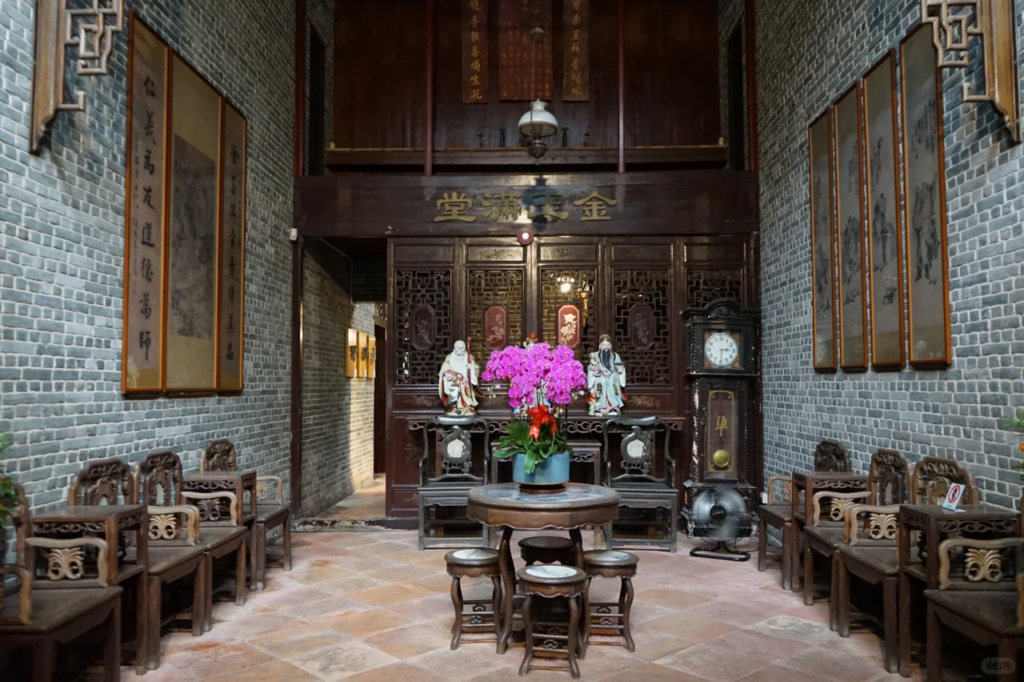
💎 Historical Origin of Xiguan Mansions
During the Qing Dynasty, as overseas trade boomed, Xiguan became the foreign trade center of Guangzhou and even the whole country.Wealthy merchants and dignitaries built luxurious residences here one after another, giving birth to Xiguan Mansions. Living here became a status symbol.From more than 800 at their peak in the late Qing and early Republican periods to fewer than 100 today, each mansion has weathered the years and tells stories of past prosperity.
🏮 Architectural Features
✅ Appearance: Mostly brick-and-wood structures with blue bricks and stone plinths. The tall main doors are inlaid with granite, solemn and elegant.”Blue bricks and stone plinths” are moisture-proof and aesthetically pleasing; green cylindrical tile sloped roofs and small eaves form a unique facade style.
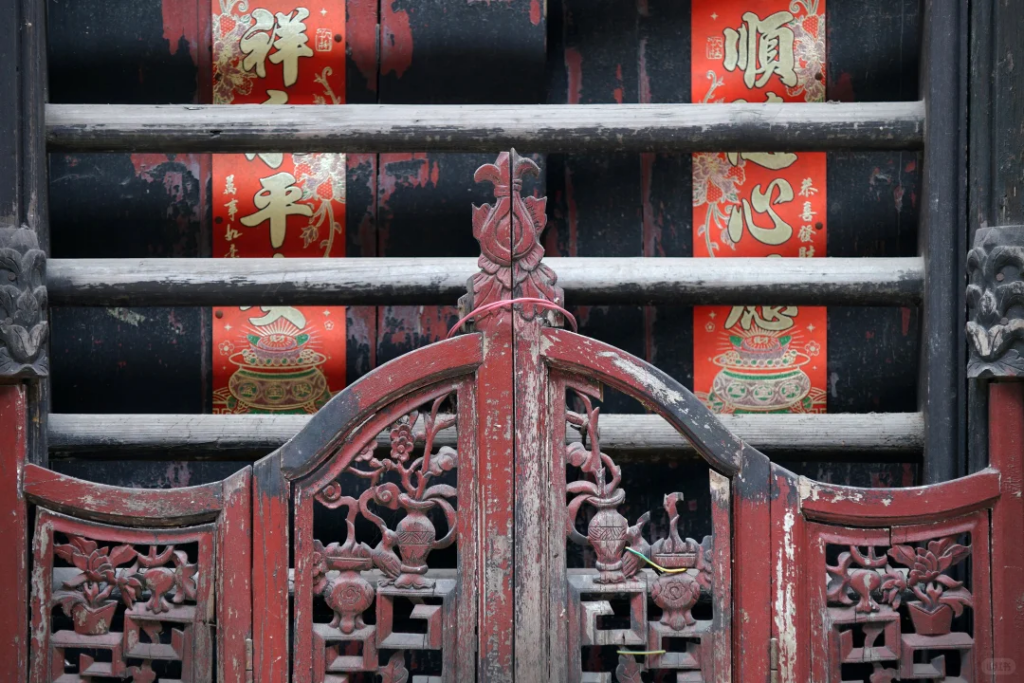
✅ The “Three-Part Gate System”:
Jiao Men (foot door): Four small folding doors, used for zoning, ventilation and lighting.
Tang Long (sliding wooden gate): A horizontal sliding fence made of 13 or 15 solid round wooden bars, anti-theft and ventilated.
Main gate: A thick, solid hardwood door for security.The three-layered gate is both practical and artistically beautiful.
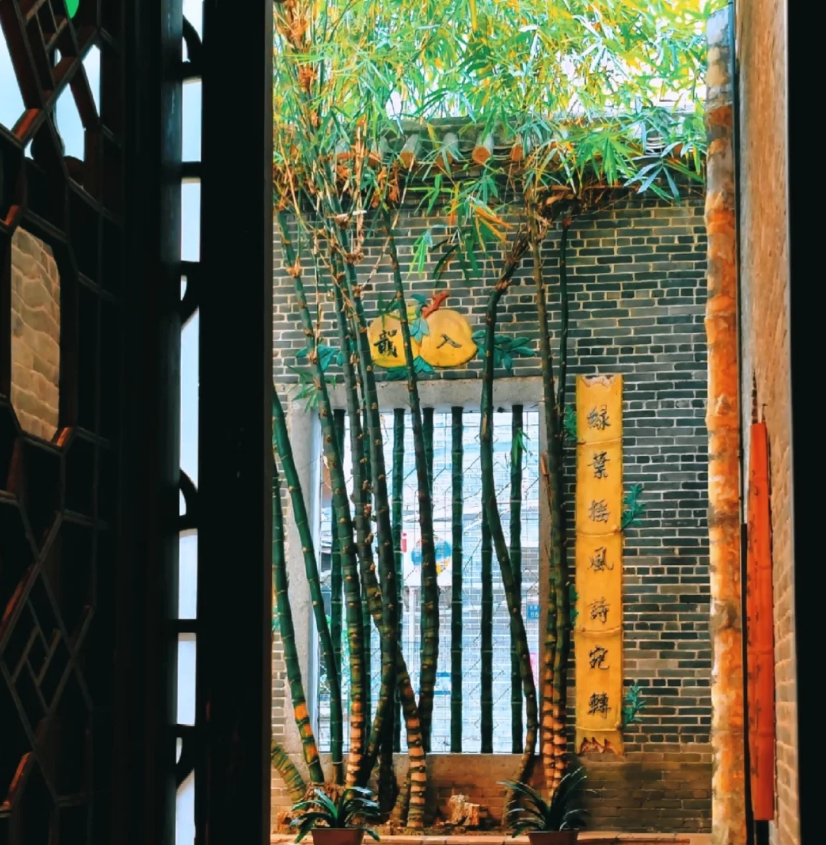
✅ Layout: Rectangular longitudinal plan, typically three bays wide.Along the central axis are the porch, entrance hall, sedan chair hall, main hall, first bedroom, sky well, second hall, second bedroom, etc.Halls are separated by small sky wells, symmetrically arranged with clear functional divisions.The Qingyun Alley on both sides provides ventilation, lighting and drainage, and also symbolizes “rising steadily in one’s career”.
✅ Decoration: Interior decoration represents the pinnacle of traditional arts and crafts.Wood carvings, stone carvings, brick carvings, pottery sculptures and etched stained glass adorn doors, windows, screens and ceilings.Manchurian windows are inlaid with colorful glass; exquisite wood carvings feature smooth lines and vivid shapes; precious and elegant mahogany furniture highlights the owner’s taste, exuding a strong Lingnan flavor everywhere.
Must-See Attractions
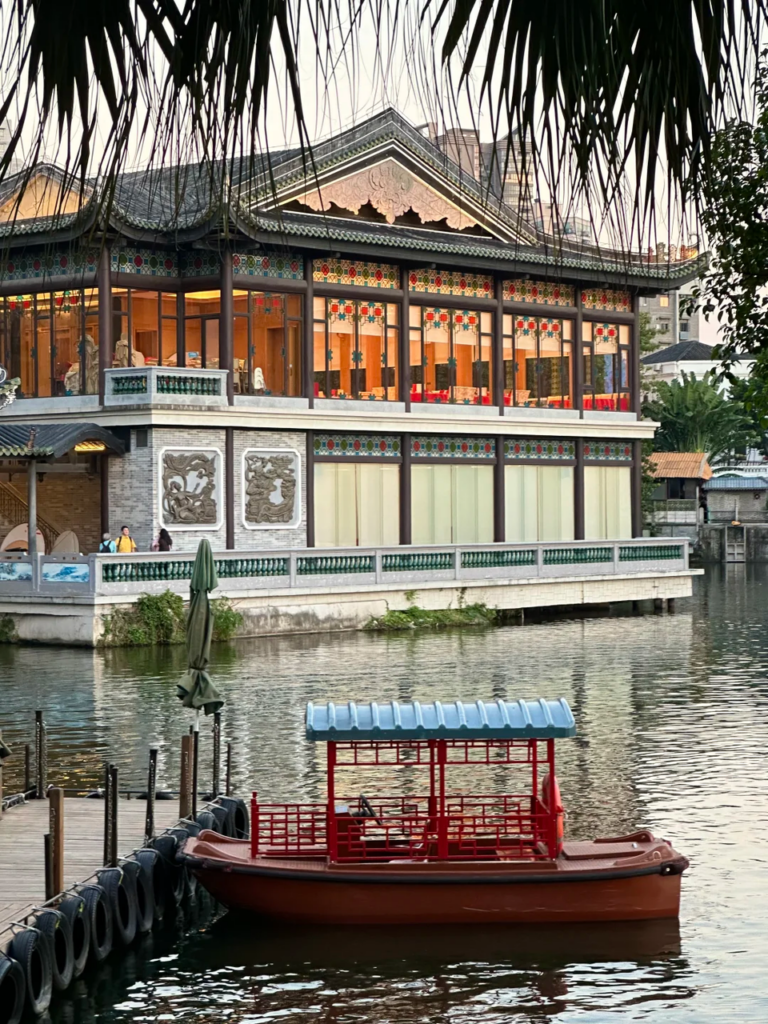
- Xiaohuafang Studio: The only surviving garden-style Xiguan Mansion in Guangzhou, built in the late Qing Dynasty as the villa of the Wong family, overseas Chinese merchants from Singapore. Its iconic feature is the boat hall beside the Lychee Bay Stream; the stone plaque at the entrance has a history of more than 120 years.
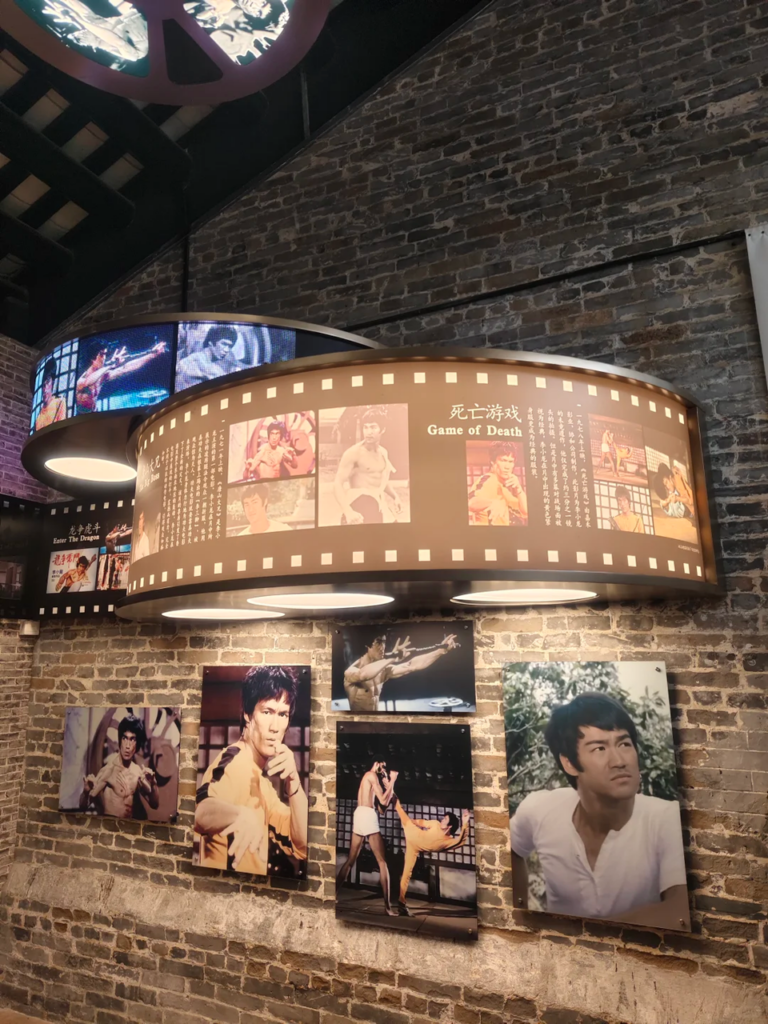
- Ancestral Home of Bruce Lee: This Xiguan Mansion belonged to the father of the legendary kung fu star. Featuring blue brick walls and carved screens, it boasts a strong Lingnan architectural style. Inside, there are many exhibits chronicling Bruce Lee’s life, movie posters, a wooden dummy, and other kung fu-related displays, allowing visitors to experience the charm of the grand master up close.
- Liwan Museum: A treasure museum with 4 distinctive historical buildings. Visit the Xiguan Folk Museum to learn about Xiguan Mansions, and Chen Lianbo’s Residence to experience the retro Republican-era Western-style house, immersing yourself in traditional Guangzhou culture.
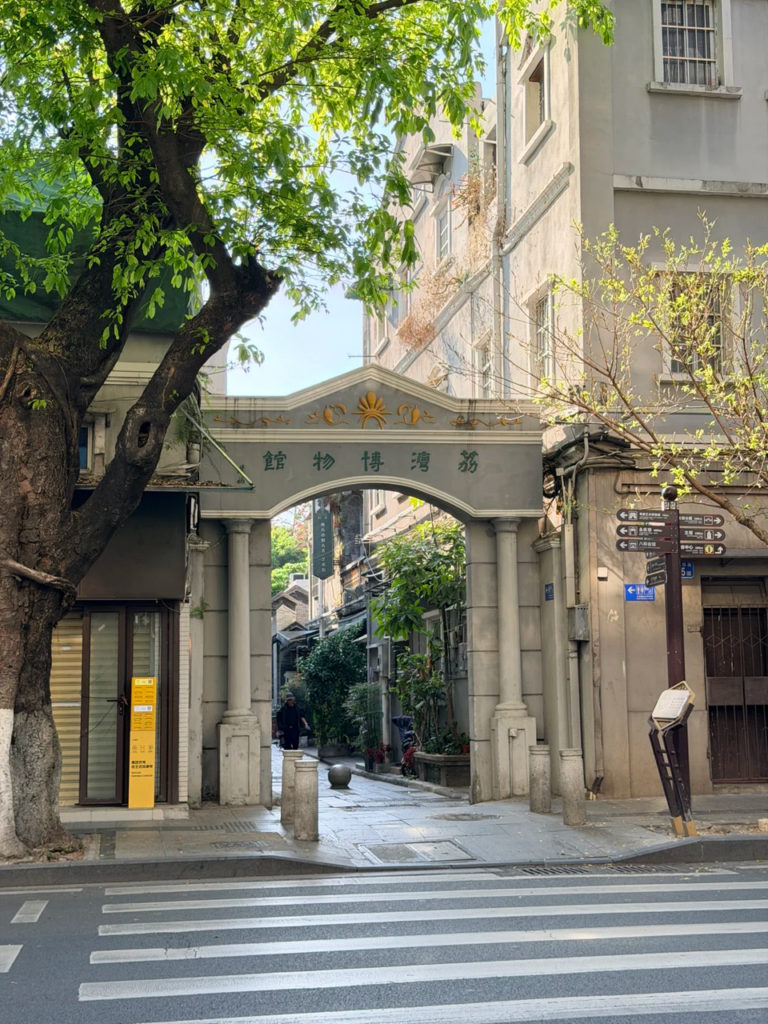
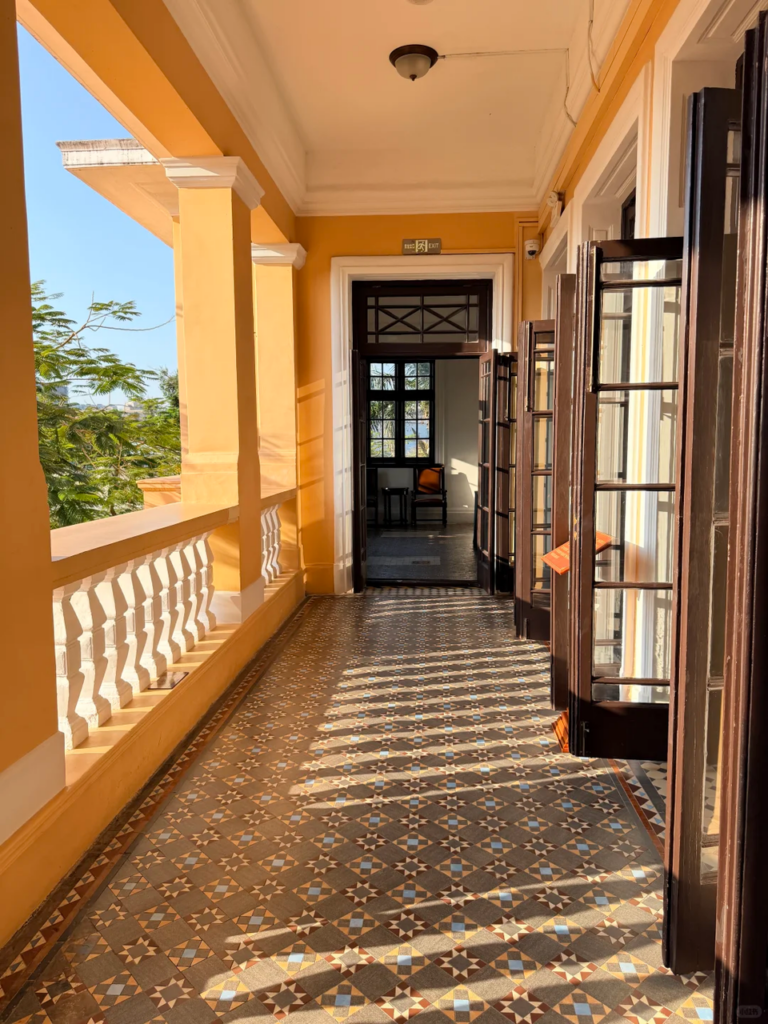
- Pantang Wuyue: An ancient Xiguan village with over 900 years of history. After renovation, it now features artistic shops in bluestone alleys, where you can experience Xiguan folk life and local cultural innovation.
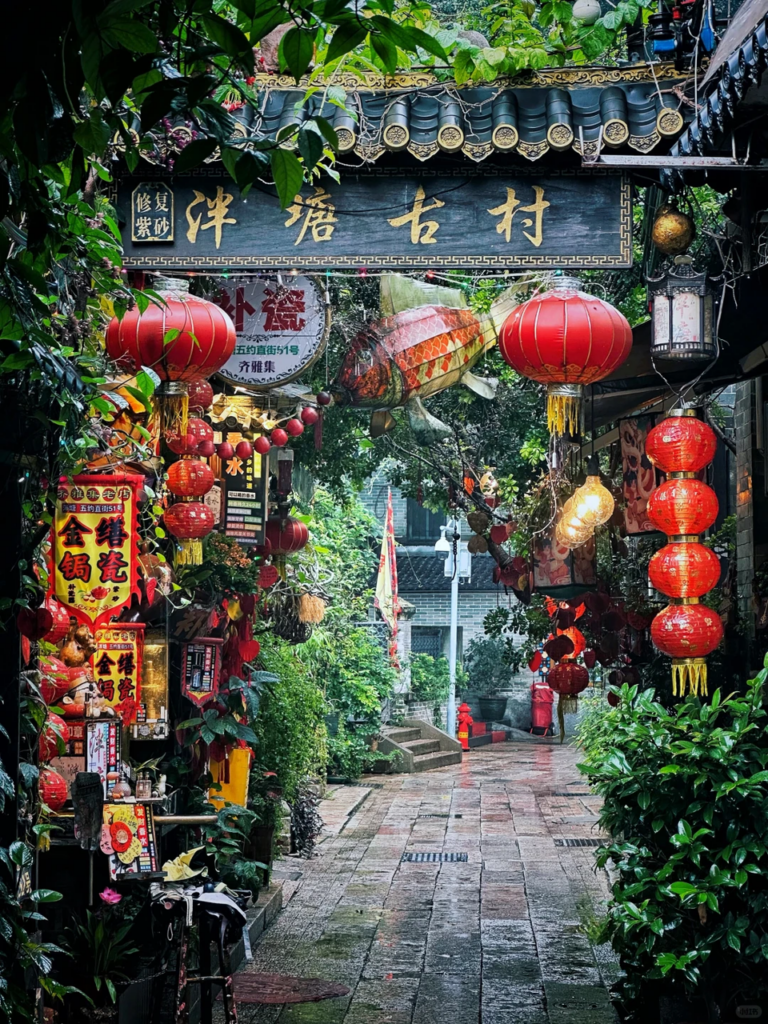
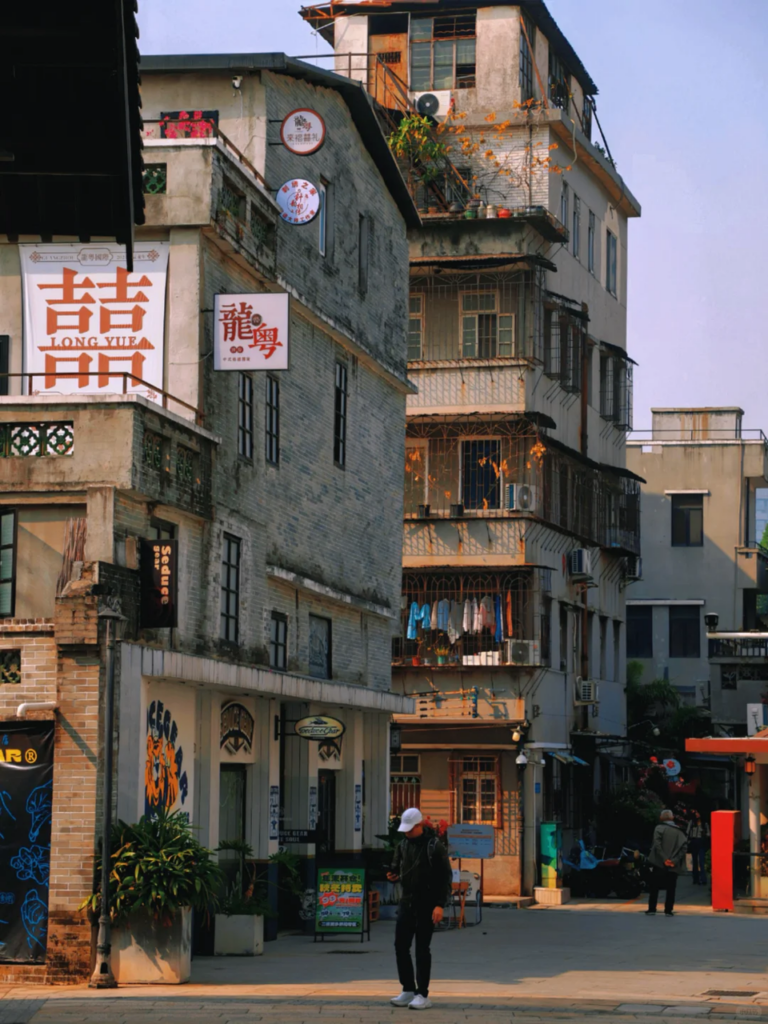
Must-Show Performance
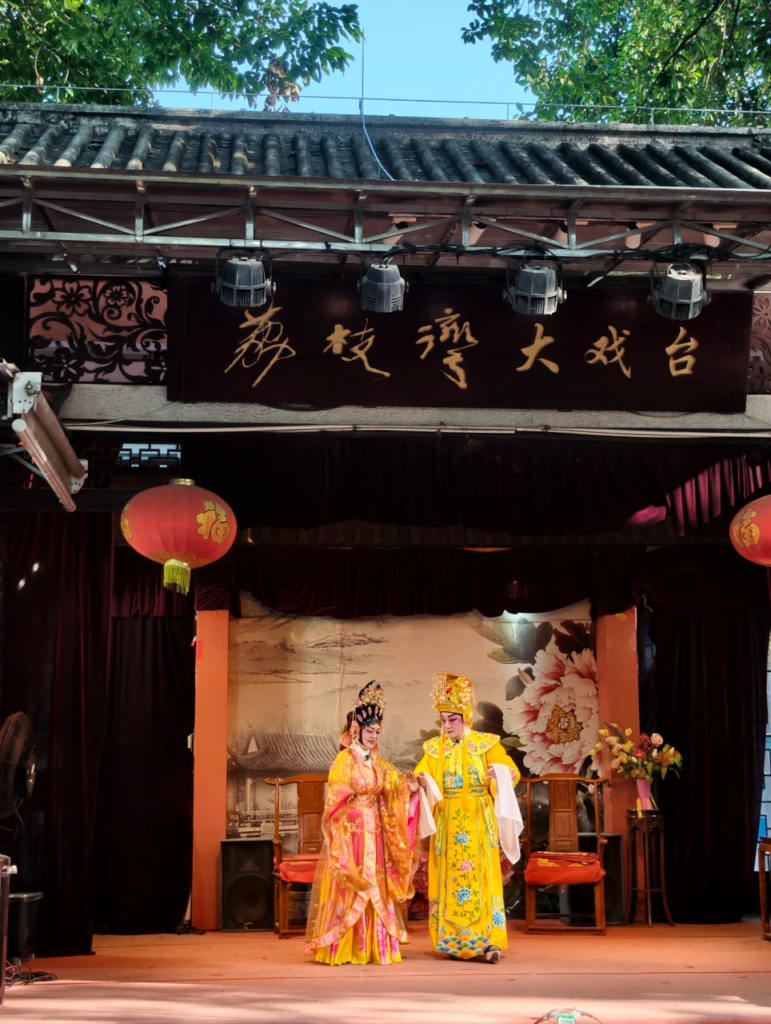
- Liwan Grand Stage: Free Cantonese opera performances are held daily from 14:00–17:00, letting you listen to the voice of traditional Guangfu culture.
Must-Take Photo Spots
- Liwan Lake: The lake shimmers like gold foil in sunlight. Take a boat ride and enjoy the reflection of traditional old houses on the water, as if in a painting.
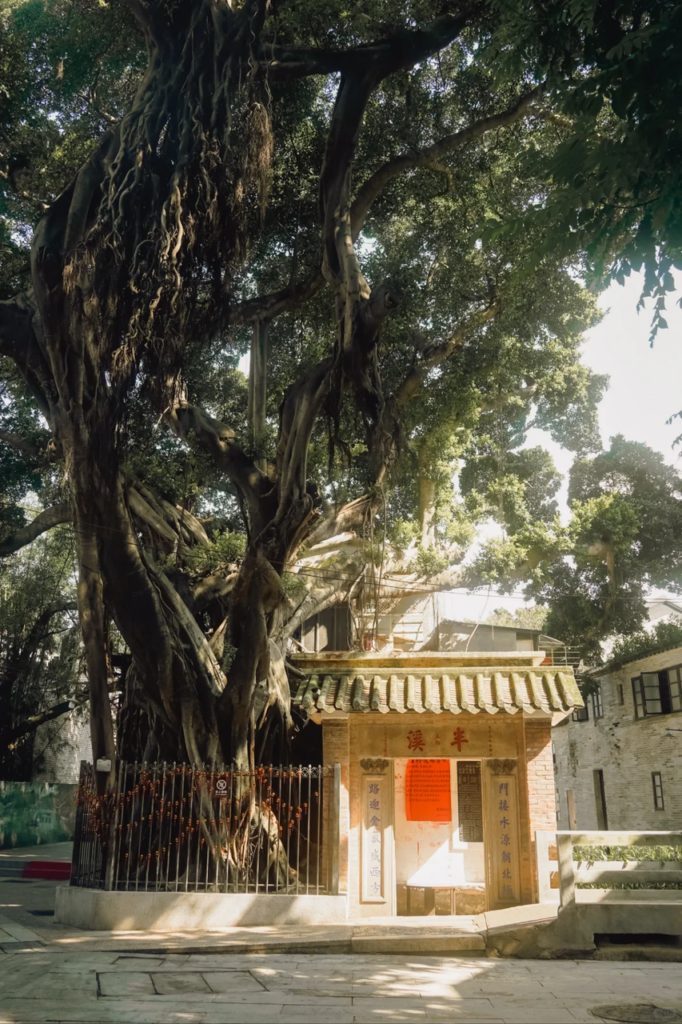
- Antang Wuyue Pavilion: Located under the century-old banyan tree, Pantang Wuyue Pavilion is a landmark of the ancient village. Fish, meat and vegetable stalls line the streets, and tailor shops in century-old dwellings remain as they were. The authentic street life continues quietly here.
- Renwei Ancestral Temple: A Taoist temple dating back to the Song Dynasty, whose elaborate beams and painted pillars showcase the exquisite craftsmanship of Lingnan art.
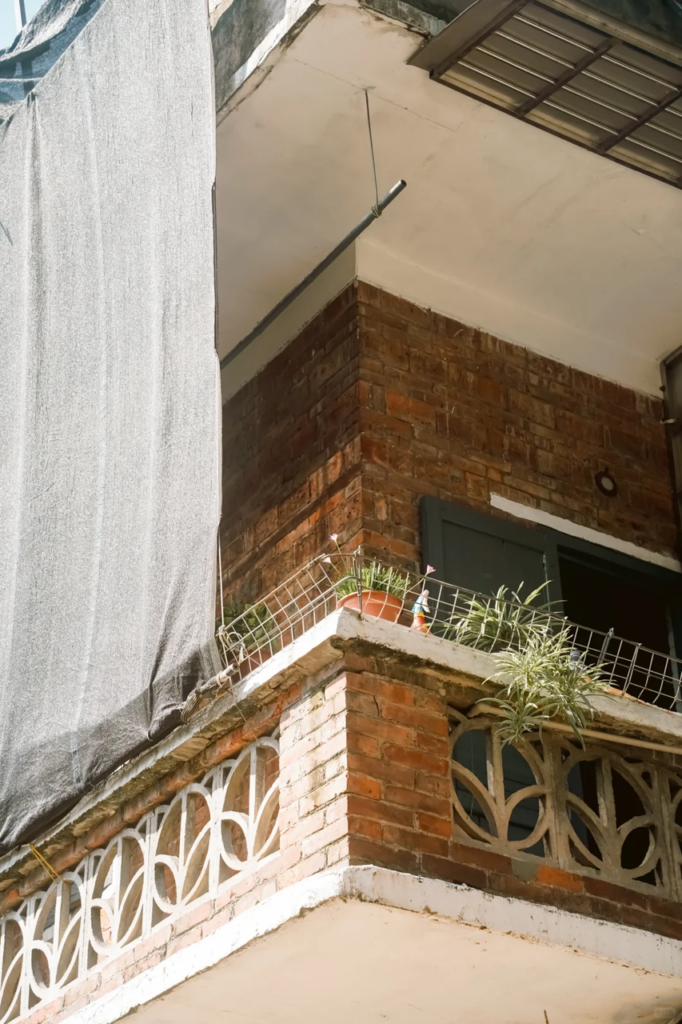
- Retro Arcade Street Views: Well-preserved arcades and Republican-era buildings blending Chinese and Western styles. Wander the lanes to feel the authentic charm of old Guangzhou.
Practical Information
- Liwan MuseumOpening hours: Tuesday–Sunday 9:00–17:30 (closed Mondays); last entry at 17:00Admission: ¥5 per person, available on-site
- Ancestral Home of Bruce LeeOpening hours: Tuesday–Sunday 9:00–21:00 (closed Mondays)Admission: Free, no reservation neede