Zini Tang: A Sacred Land of Industrial Ruin Art! Exploring the Transformation and Innovation of China’s Soviet-Inspired Style

Formerly the state-owned Zini Sugar Mill, which was built in 1953, Zini Tang Creative Park preserves a host of historical structures, including Soviet-style office buildings and refining workshops. As the first large-scale cane sugar factory independently designed and constructed in China during the First Five-Year Plan period of the People’s Republic of China, it has now been transformed from an industrial heritage site into a hub of art installations in line with the principle of “restoring old buildings as they were”. Boasting diverse business formats such as cultural creativity and film & television shooting, the park allows visitors to feel the Soviet influence on China and witness the historical transition of China from a planned economy to a market economy.
📸 Must-Visit Photo Spots

1️⃣ Soviet-style Buildings

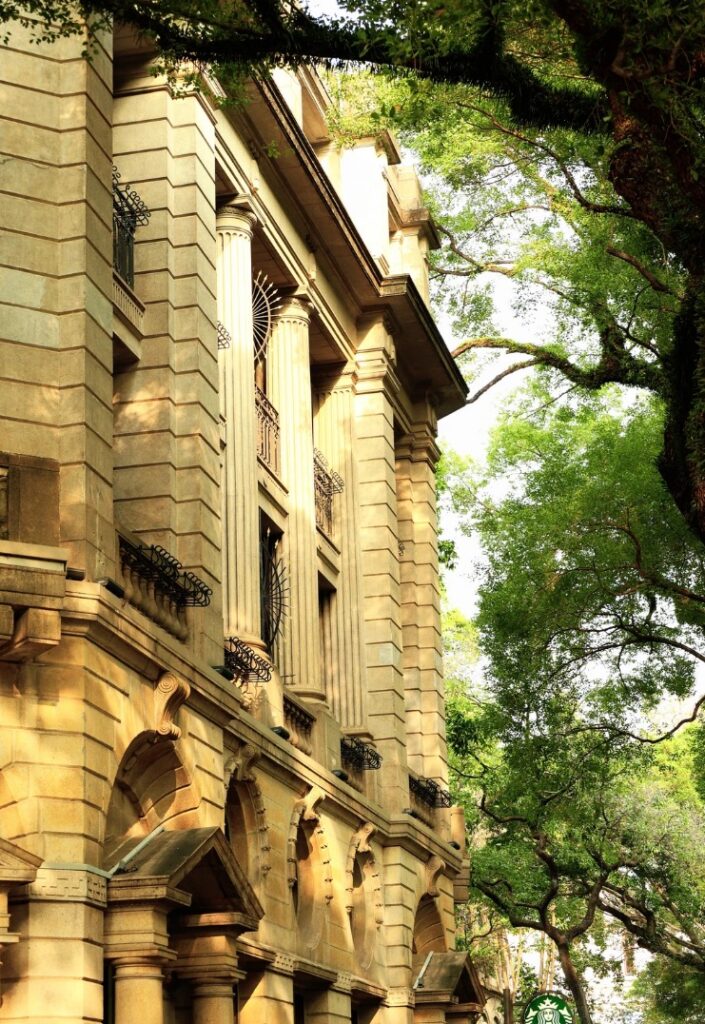
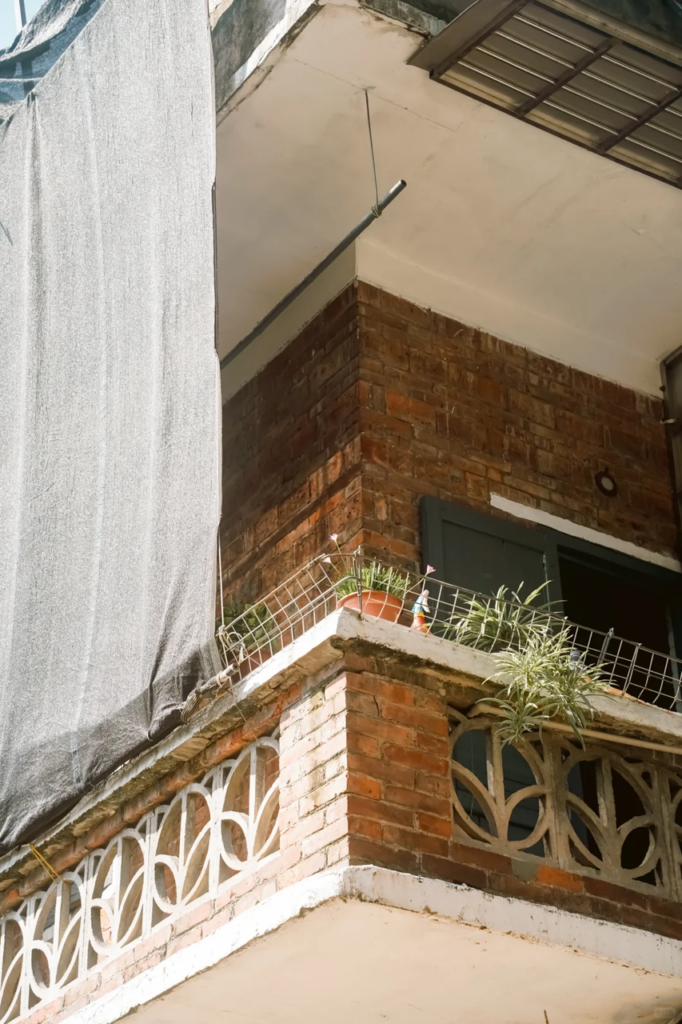
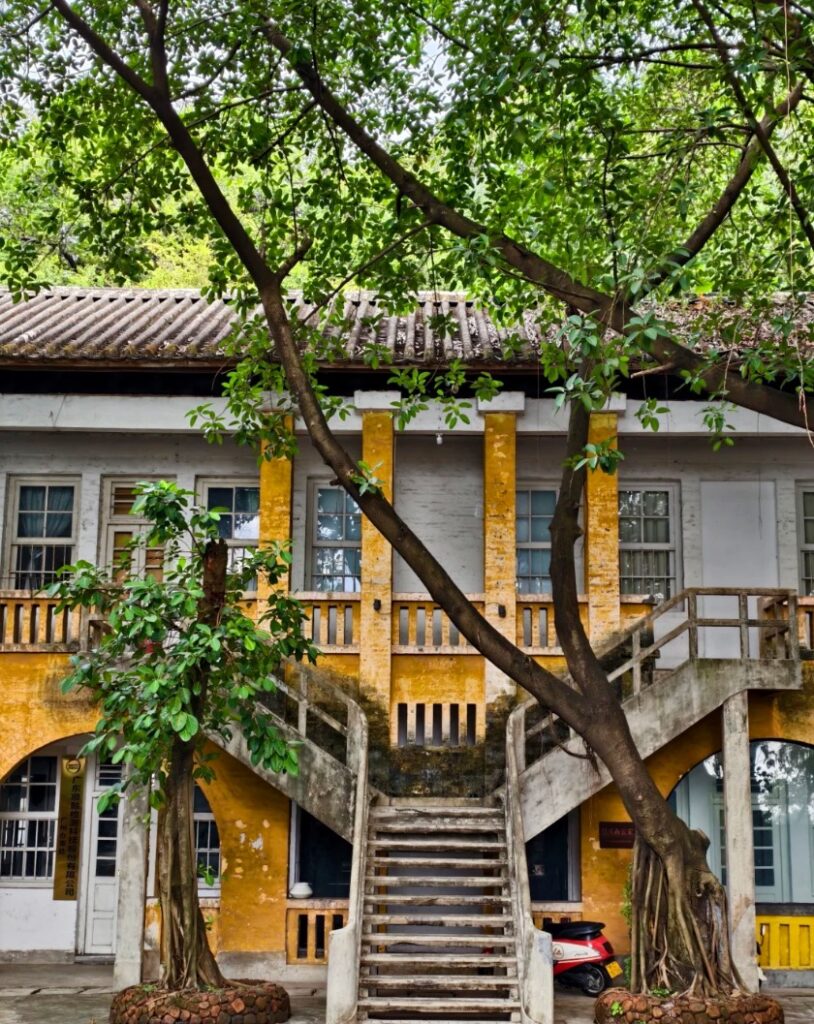
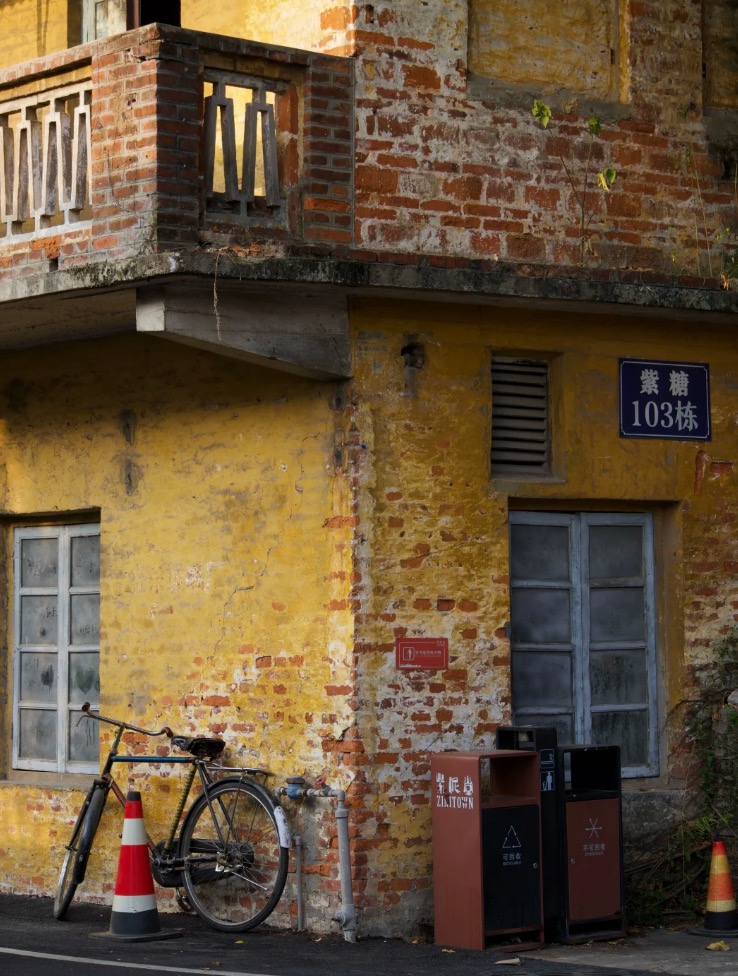
The weathered brick walls of the red-brick factory buildings paired with giant gear installations exude a full retro industrial vibe, making every snapshot a cinematic masterpiece. The iconic office building designed by Soviet experts forms a cluster of structures painted in the classic Soviet yellow. When sunlight filters through the trees onto the mottled bright yellow arches, the dappled shadows create a filter-like cinematic effect. Dressing in retro dresses or coffee-toned outfits will instantly turn you into the protagonist of Youth 💃.
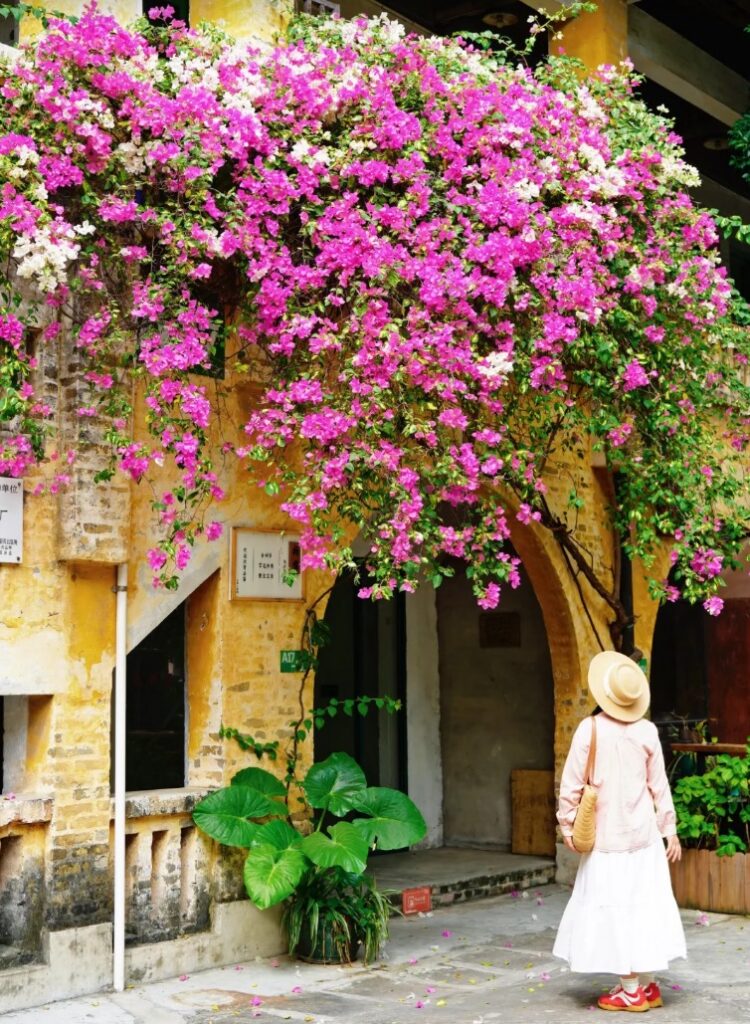
Special Reminder: In spring, there is a limited bougainvillea flower wall at Building 68, Zitang. The climbing bougainvillea covering the entrance against the bright yellow wall makes for incredibly photogenic shots!
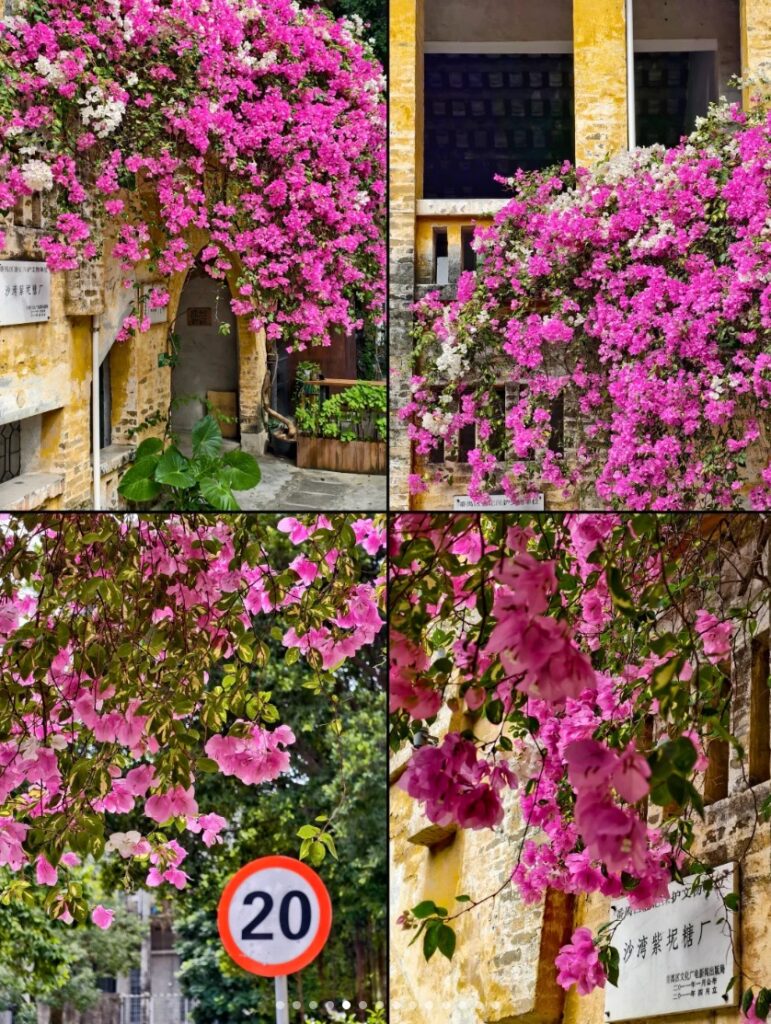
2️⃣ 10,000-Ton Warehouse Riverside Wharf

Facing Shunde across the river, the spot offers a 100% photogenic rate at sunset when the river surface sparkles. The orange-hued sea at dusk is perfect for backlit silhouette shots 🌊, and the cluster of concrete pillars replicates the iconic scenes from YoYo. The gentle river breeze adds to the pleasant experience.
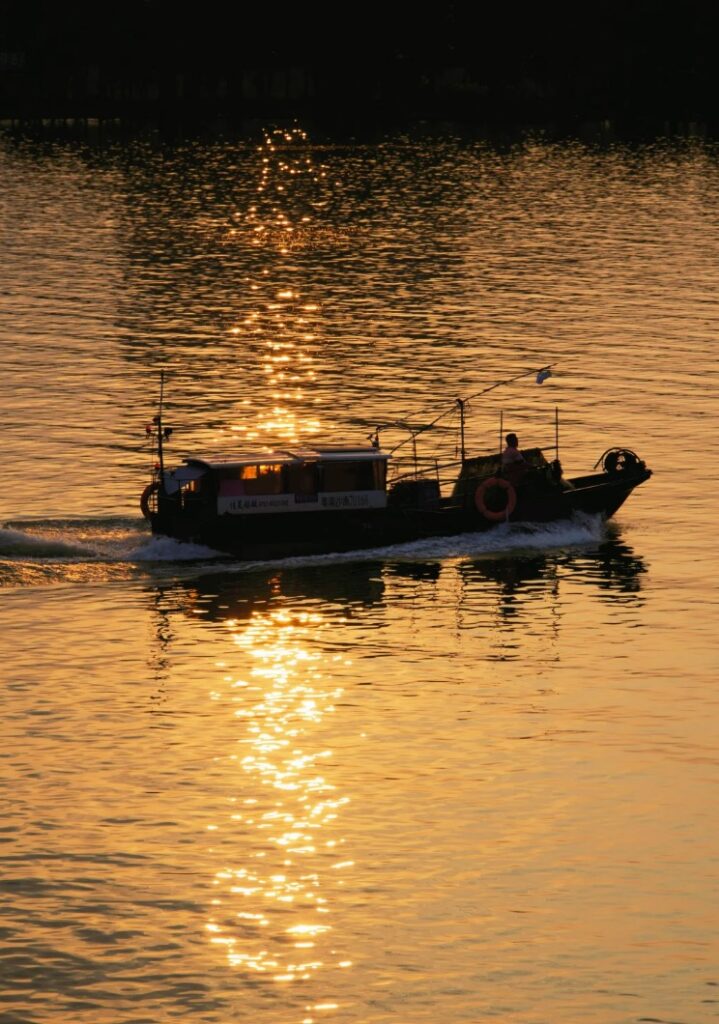
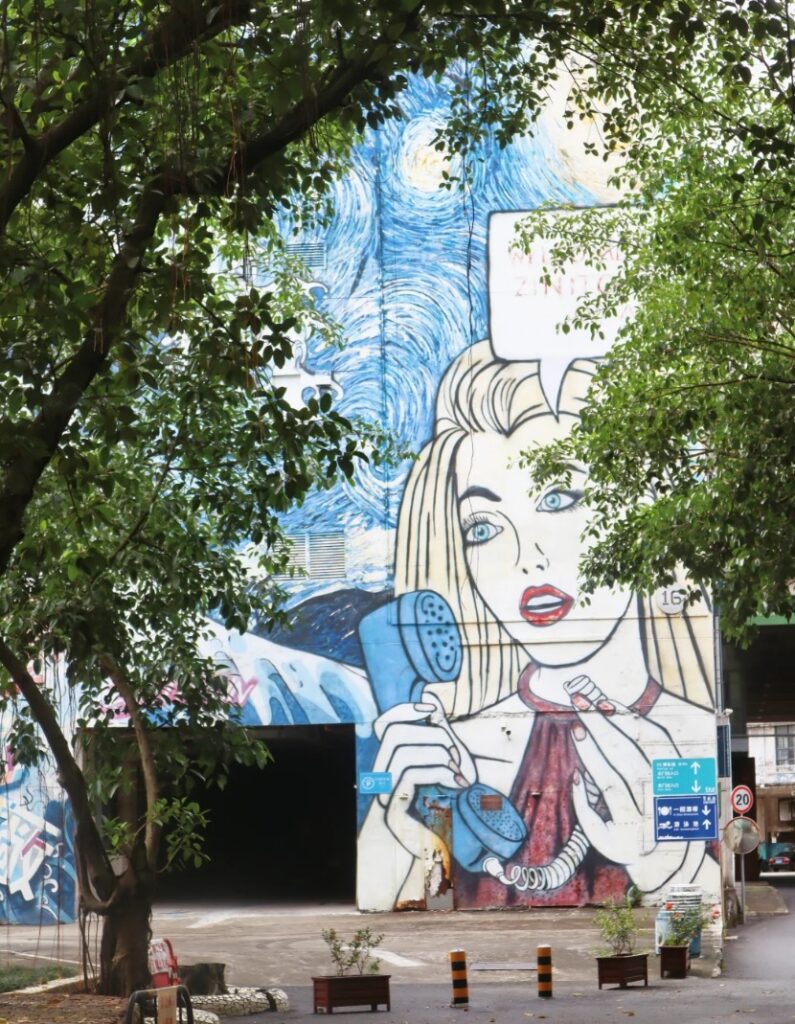
3️⃣ Graffiti Art Zone

Vibrant graffiti adorns the walls of the old factory buildings, creating a striking clash of trendy and nostalgic styles for stunning photos.
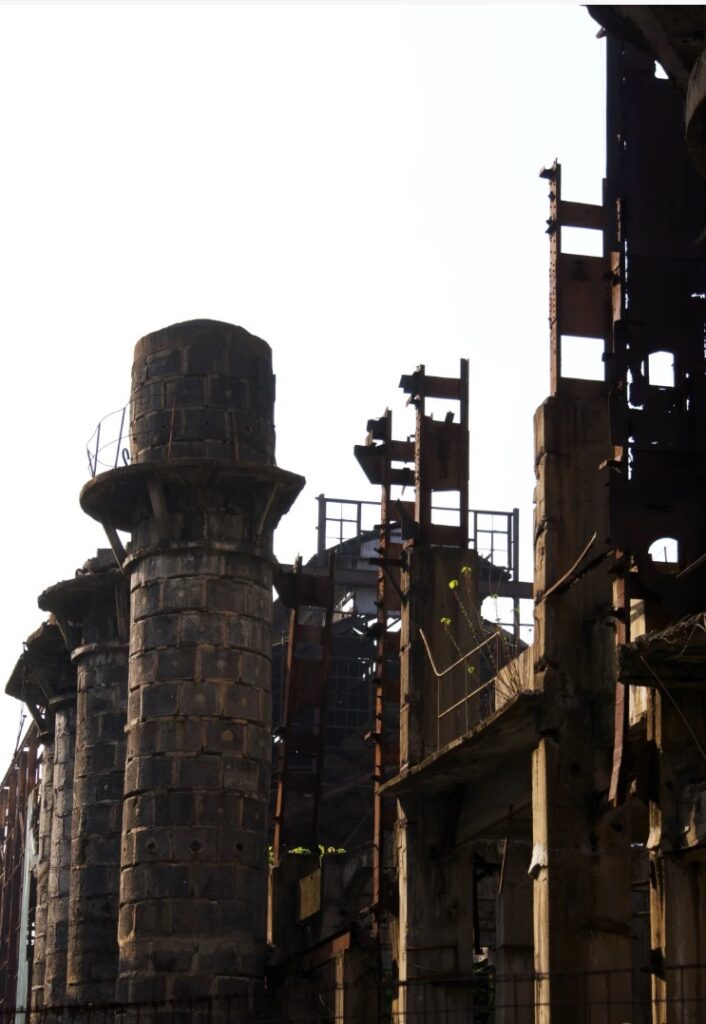
4️⃣ Giant Chimney & Abandoned Factory Buildings

🏭The three-story-tall chimney is a spectacular sight, while rusted gears and pipelines amplify the retro industrial atmosphere to the fullest.
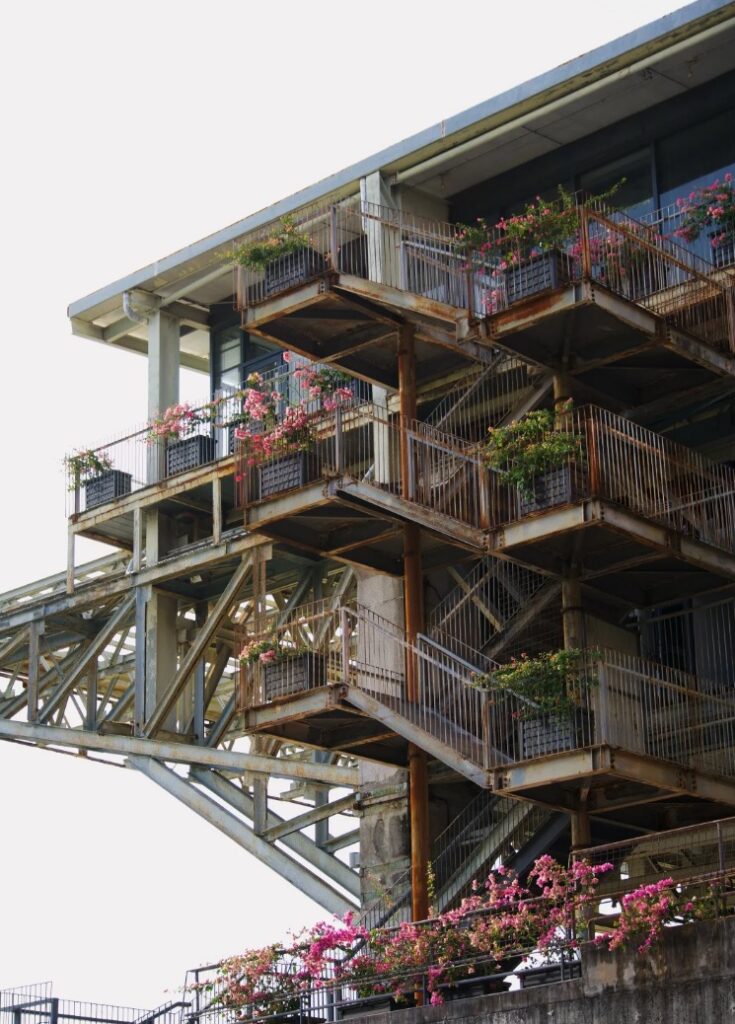
5️⃣ No.3 Sugar Storage Tank Observation Deck

Featuring a full glass dome, the deck offers a bird’s-eye view of sawtooth-shaped factory buildings 🏭 and the stunning river view 🌅. Wide-angle shots deliver an exceptionally breathtaking visual impact 🤩.
💡 Travel Tips

📍Address: No. 7 Xi’an Road, Shawan Town, Panyu District, Guangzhou

🎫Admission: Free

Opening Hours: Open 24 hours a day for free

Recommended Visit Duration: 3–4 hours

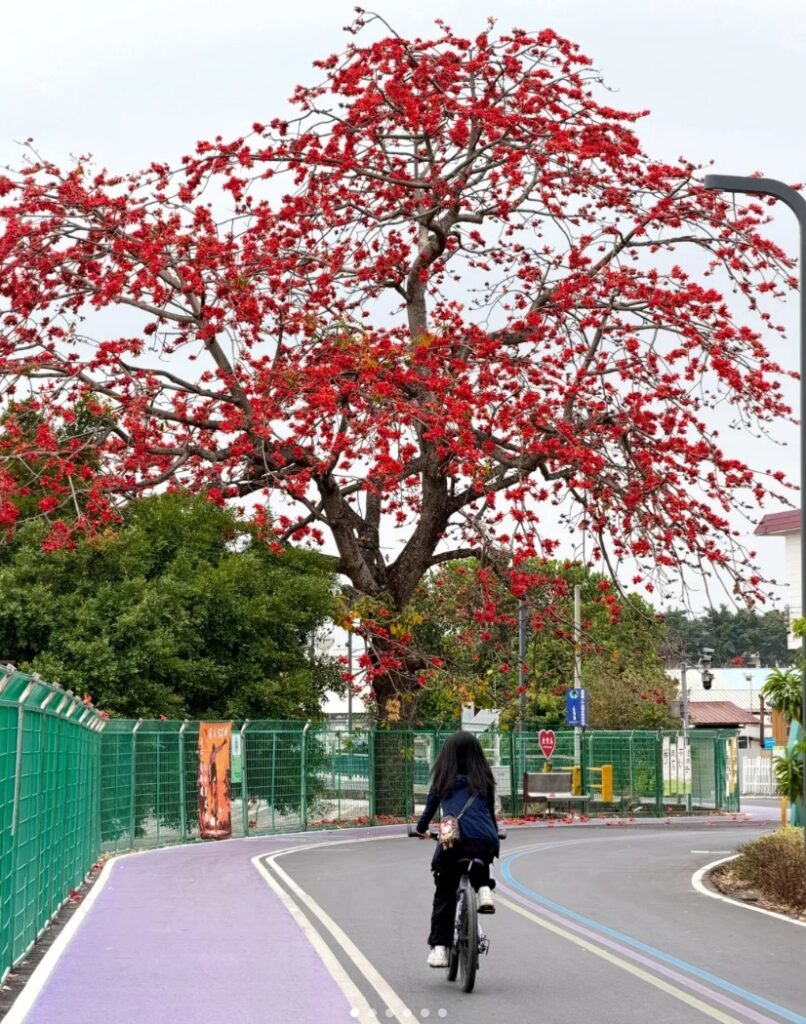
Best Time to Visit: Arrive after 3 PM to avoid the scorching sun. The soft evening light is ideal for portrait photography, and the riverside offers the prime spot to watch the most beautiful sunsets. The park is spacious and perfect for cycling.

🚲 In-Depth Experience

Take a cycling tour around the island, with a total route of about 11 km that takes roughly over an hour to complete (excluding photo stops).

Recommended Cycling Route:Baomo Garden ➡️ Nanhuo Garden ➡️ Zini Tang Creative Park ➡️ Riverside Greenway ➡️ Baomo Garden

Along the way, you can admire Lingnan-style gardens, artistic factory buildings and expansive river views, experience authentic old Guangzhou life, and immerse yourself in a fully atmospheric journey.
Sacred Heart Cathedral: One of the World’s Four All-Stone Gothic Cathedrals and the Only One in China

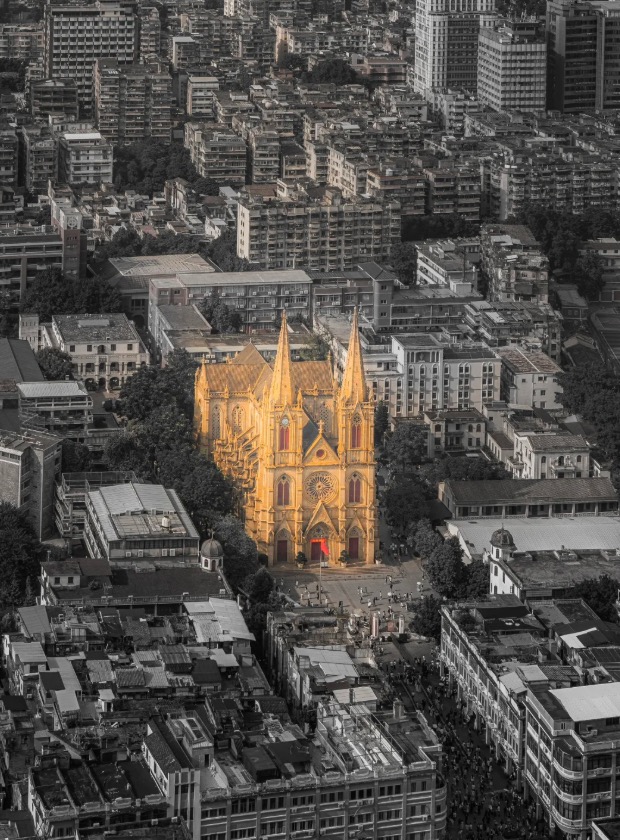
Guangzhou Sacred Heart Cathedral is also known as the Stone Chamber because granite is its primary building material. Constructed by Chinese craftsmen starting in the late Qing Dynasty, it was completed in 1888 after 25 years of construction. It is one of the world’s four all-stone Gothic cathedrals; the other three are Notre-Dame de Paris, Cologne Cathedral, and Westminster Abbey.

The cathedral was initiated by Bishop Philippe François Zéphyrin Guillemin, a French missionary in the Qing Dynasty, who secured a 500,000-franc donation from Napoleon III for its construction. Having survived the Second Sino-Japanese War, it stands as a historical witness to the spread and integration of foreign religious culture in China.

🏛️ Architectural Features

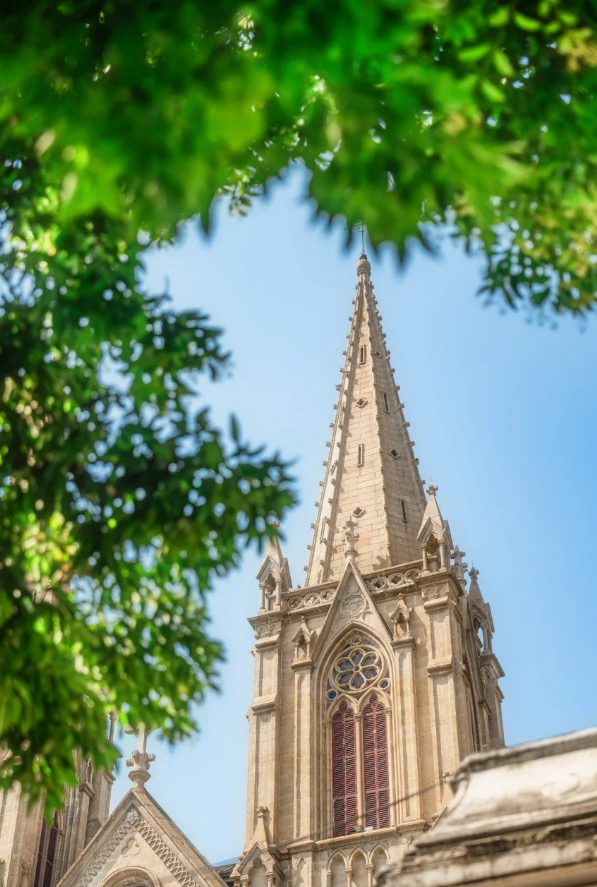
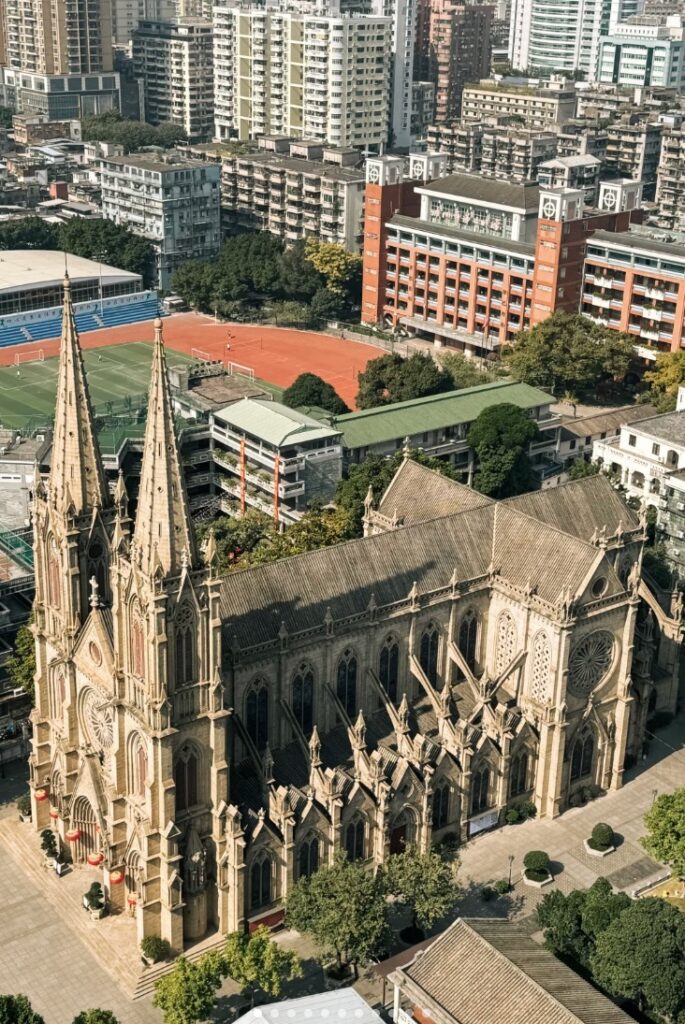
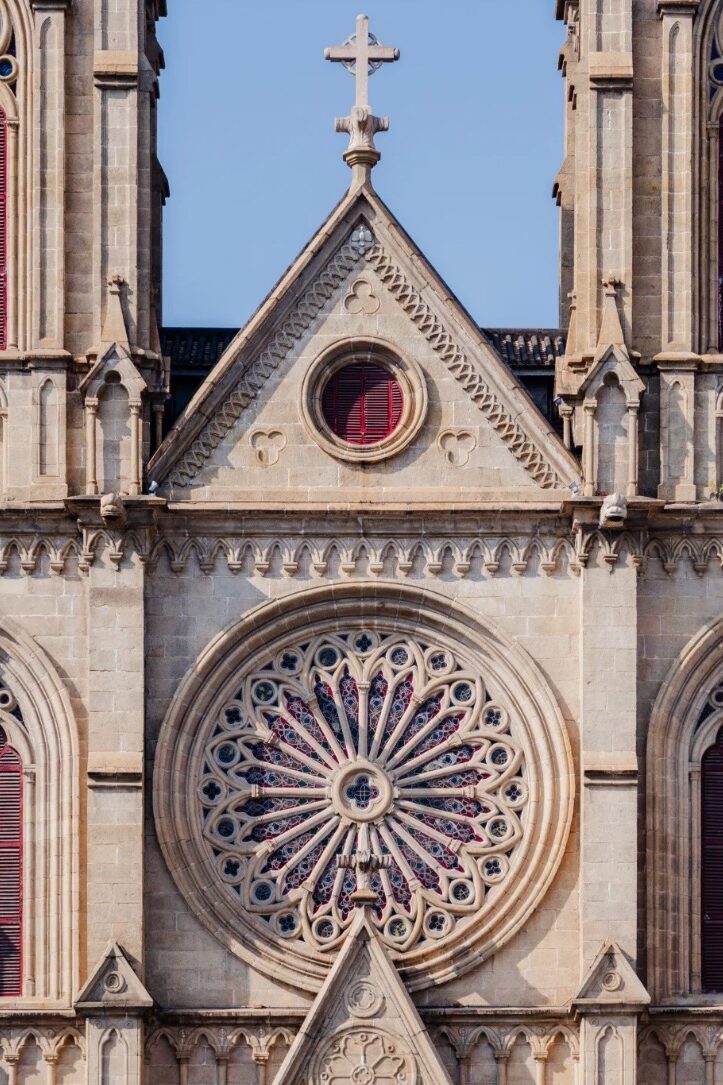
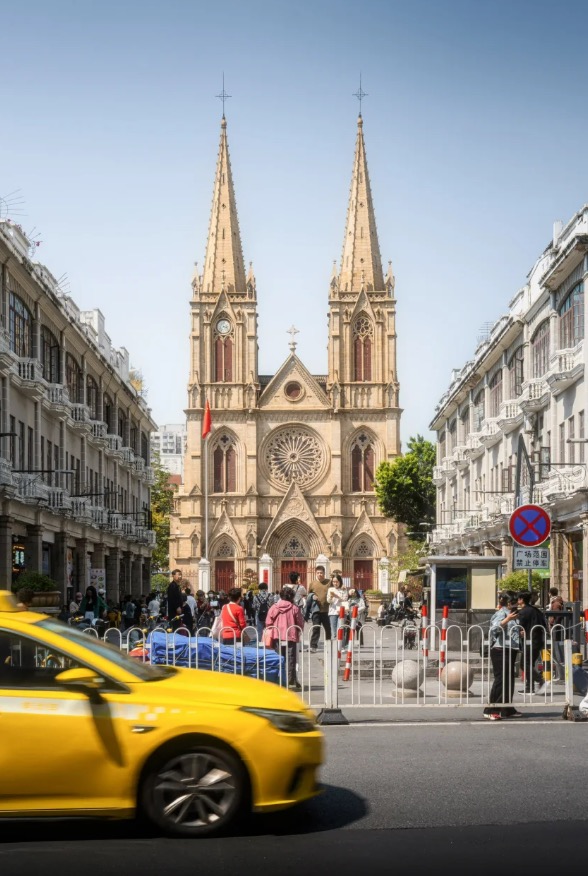
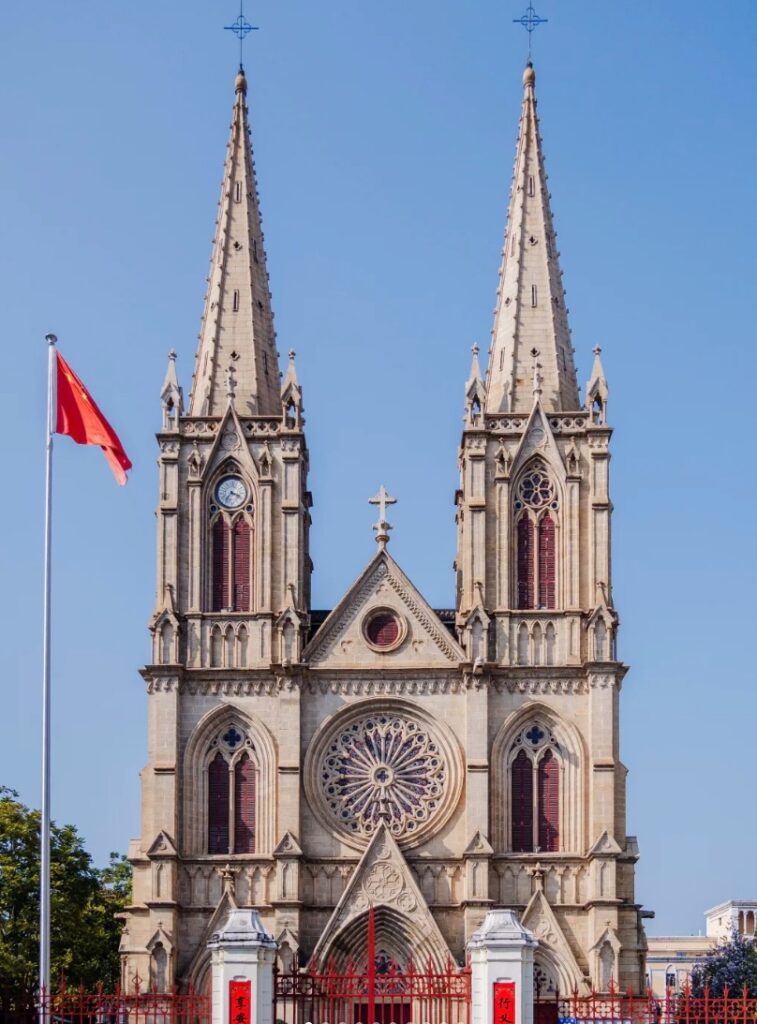
The main structure is built entirely of granite, laid out in a Latin cross floor plan. The main facade faces south, flanked by a pair of 58.5-meter-tall stone spires, each designed as a hollow octagonal pyramid.

  • The west tower features large clock faces on its south, west, and north exterior walls.
  • The east tower houses four large bronze bells.

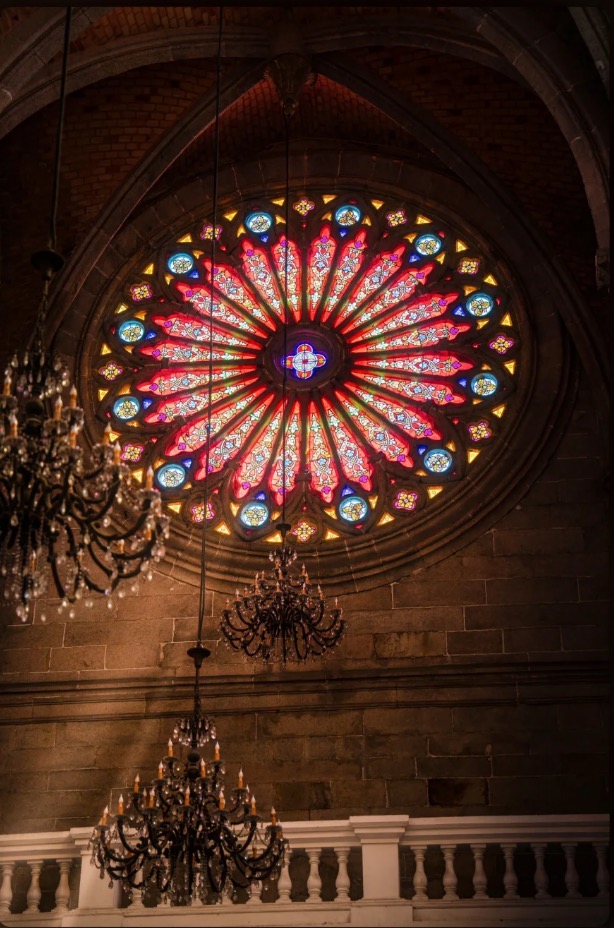
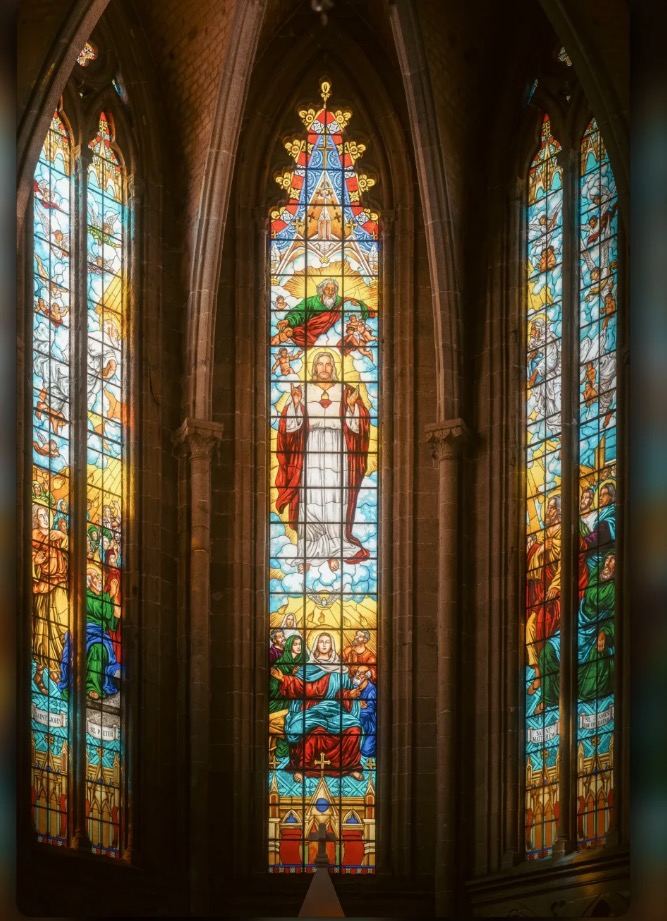
The church roof is supported by 24 flying buttresses, and the gargoyle drainage spouts are carved in the shape of traditional Chinese stone lions. The entrance has three pointed-arch portal doors with layered recessed moldings. On the lower walls of the east and west sides are inscribed “JERUSALEM 1863” and “ROMA 1863” respectively, symbolizing that during the foundation-laying ceremony, a stone from Jerusalem and a kilogram of soil from Rome were buried beneath the cornerstone.Inside, the cathedral features ribbed vaults. Its massive stone pillars are cluster columns composed of eight smaller shafts. On the south, east, and west walls are three giant rose windows nearly 7 meters in diameter. Numerous stained-glass windows throughout the interior depict various biblical stories.

🎧 Experience

✅ Join the daily Mass

– Mass Schedule:Mon–Fri: 6:45 Cantonese MassSat: 6:45 Cantonese Mass, 15:30 Korean Mass, 19:30 Mandarin MassSun: 6:45 / 8:30 Cantonese Mass, 10:30 Mandarin Mass, 15:30 English Mass, 19:30 Mandarin Mass

*Some areas are closed to visitors during Mass.

✅ Biblical stories are depicted on the stained‑glass windows inside the cathedral. Scan the QR code for audio explanations.

📸 Photo Tips

1️⃣ Full view from the main entrance: Step back to the stone piers in the square and shoot from a low angle to avoid crowds; use a wide‑angle lens in the front square for a symmetrical full view.

2️⃣ Rose window at the side entrance: Stunning light and shadows when sunlight shines through after 3 PM; steps at the side gate with solid‑color outfits make great photos.

3️⃣ Rooftop of Mottle Café in the back alley (minimum spend ¥35): Overhead shot of the cathedral with arcade buildings in the same frame.

4️⃣ Yide Road arcade street: Use a telephoto lens to capture the cathedral spires alongside lively local street scenes.

🗺️ Nearby Attractions (within walking or cycling distance)

1. Shamian Island (15-minute walk): European-style buildings, cafes, ancient trees, artistic vintage vibe, perfect for photos and leisurely walks.

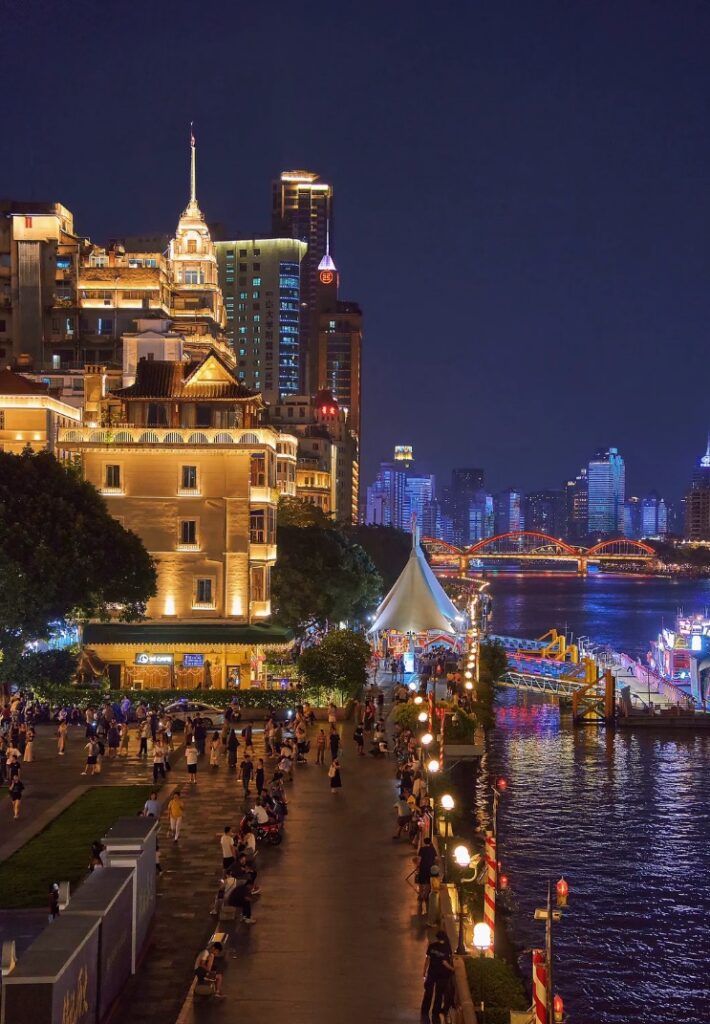
2. Yanjiang West Road (approx. 5-minute walk): Former Canton Customs House, Post Museum, retro architecture, ideal for night and river views.

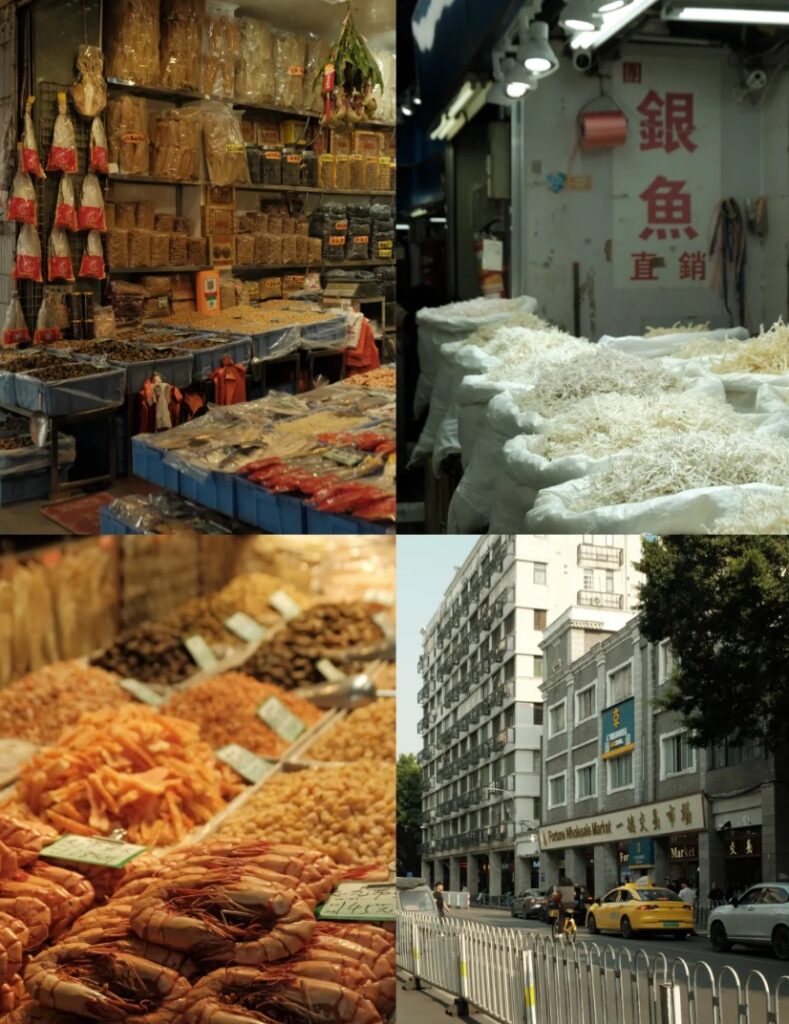
3. Yide Road (approx. 3-minute walk): Dried seafood, toy wholesale markets, traditional arcade streets, experience authentic local Cantonese life.

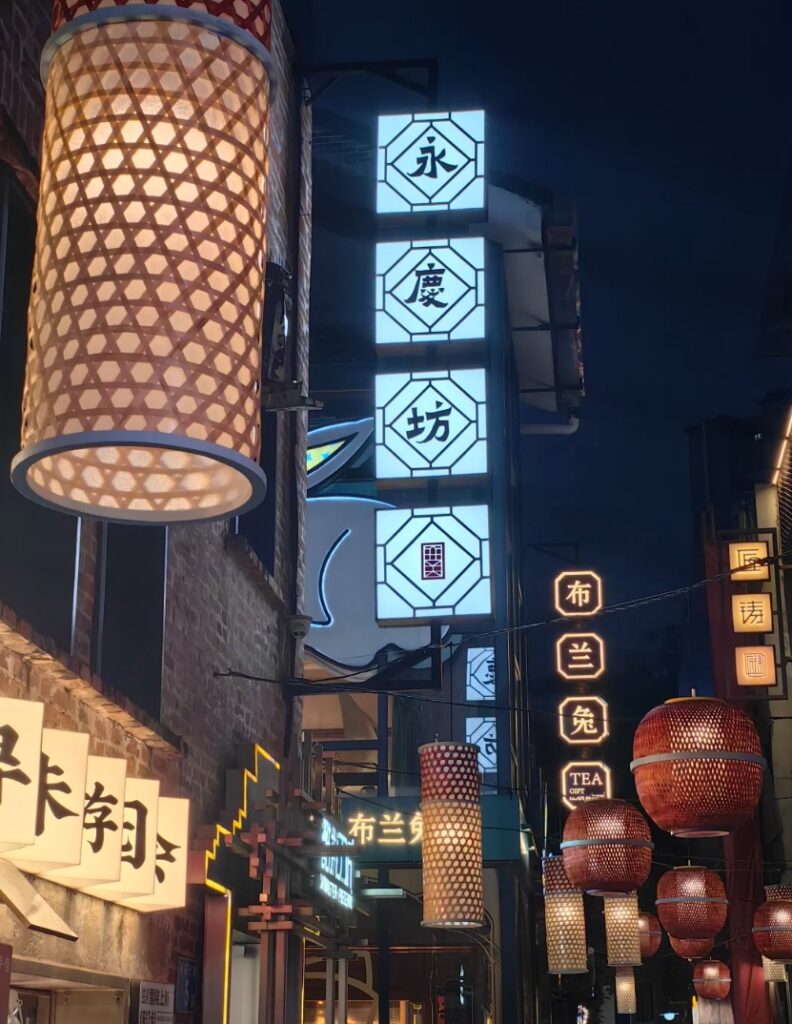
4. Yongqing Fang (15-minute bike ride): Xiguan-style charm, creative shops, intangible cultural heritage experiences, popular among art and culture lovers.

5. Shangxiajiu Pedestrian Street (10-minute bike ride): Concentrated historic food shops, including Nanxin Double Skin Milk, Baohua Noodle Shop Wonton Noodles, etc.

💡 Notes

  • Opening Hours:

① Tue–Fri: 9:00–11:00, 15:00–17:00; Sat: 9:00–14:30; Sun: 13:00–14:30

② Closed on Mondays; the main sanctuary is closed on the third Sunday of each month.

  • Admission & Reservation

Free entry with no reservation needed. Free shawls are available at the entrance (visitors must dress appropriately).

  • Photography Rules

No flash photography. Photography inside is prohibited during Mass; please keep quiet.

Xiguan Mansion — Blue Bricks That Weave Guangzhou’s History

In the Xiguan area of Guangzhou, today’s Liwan District, lie numerous traditional dwellings rich in Lingnan characteristicsXiguan Mansions.Far more than just buildings, they are profound historical records embodying Guangfu culture. Stepping into them allows us to trace the texture of history and feel the charm accumulated by time.

💎 Historical Origin of Xiguan Mansions

During the Qing Dynasty, as overseas trade boomed, Xiguan became the foreign trade center of Guangzhou and even the whole country.Wealthy merchants and dignitaries built luxurious residences here one after another, giving birth to Xiguan Mansions. Living here became a status symbol.From more than 800 at their peak in the late Qing and early Republican periods to fewer than 100 today, each mansion has weathered the years and tells stories of past prosperity.

🏮 Architectural Features

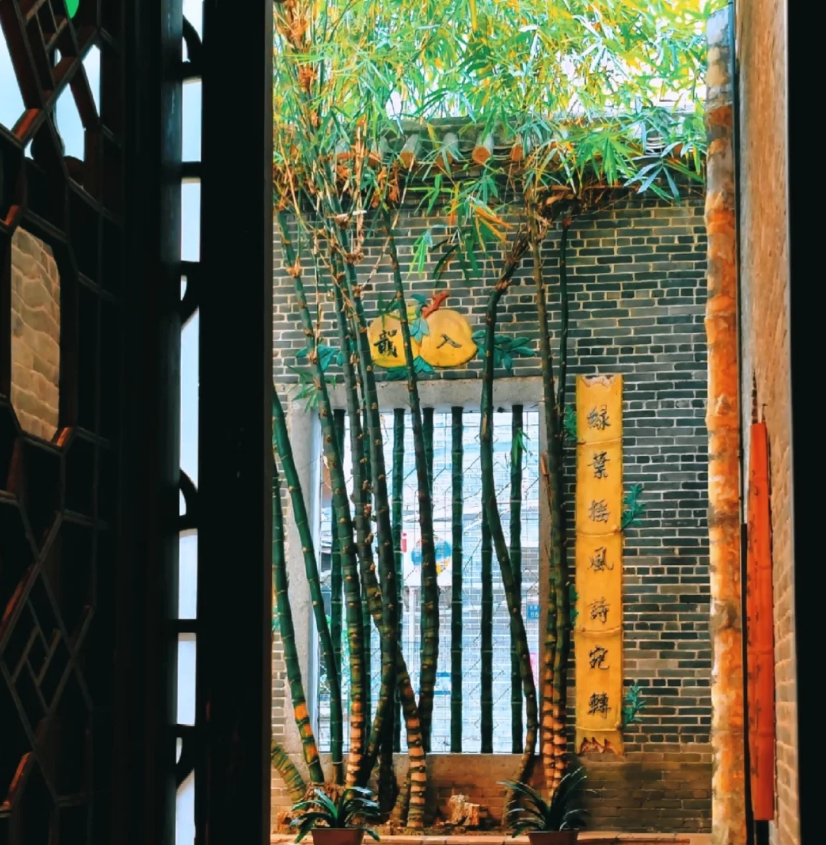
✅ Appearance: Mostly brick-and-wood structures with blue bricks and stone plinths. The tall main doors are inlaid with granite, solemn and elegant.”Blue bricks and stone plinths” are moisture-proof and aesthetically pleasing; green cylindrical tile sloped roofs and small eaves form a unique facade style.

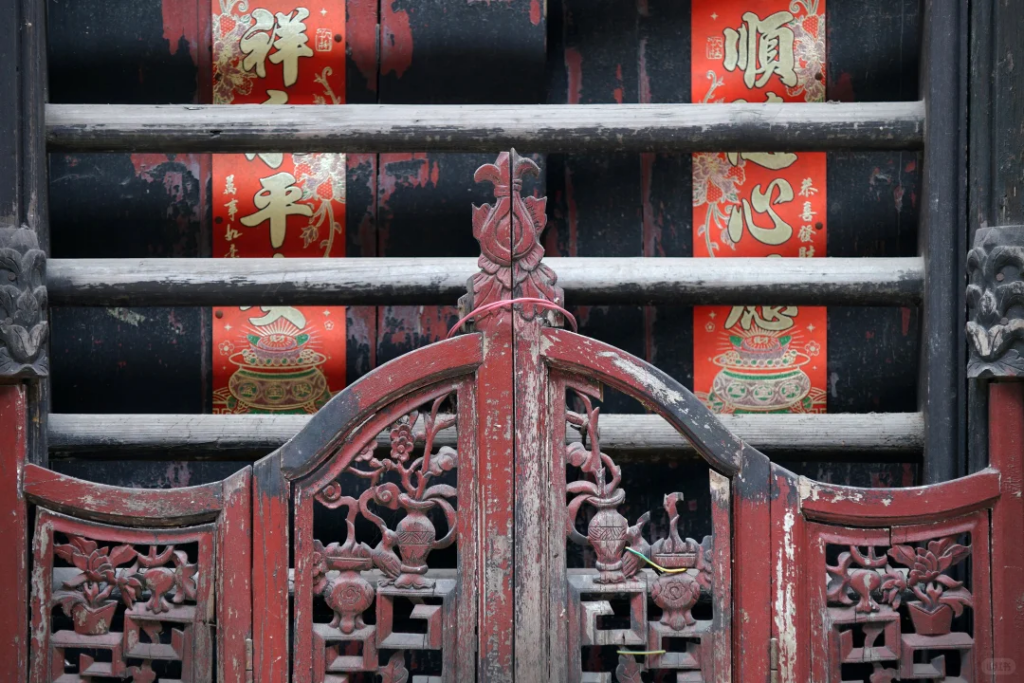
✅ The “Three-Part Gate System”:

Jiao Men (foot door): Four small folding doors, used for zoning, ventilation and lighting.

Tang Long (sliding wooden gate): A horizontal sliding fence made of 13 or 15 solid round wooden bars, anti-theft and ventilated.

Main gate: A thick, solid hardwood door for security.The three-layered gate is both practical and artistically beautiful.

✅ Layout: Rectangular longitudinal plan, typically three bays wide.Along the central axis are the porch, entrance hall, sedan chair hall, main hall, first bedroom, sky well, second hall, second bedroom, etc.Halls are separated by small sky wells, symmetrically arranged with clear functional divisions.The Qingyun Alley on both sides provides ventilation, lighting and drainage, and also symbolizes “rising steadily in one’s career”.

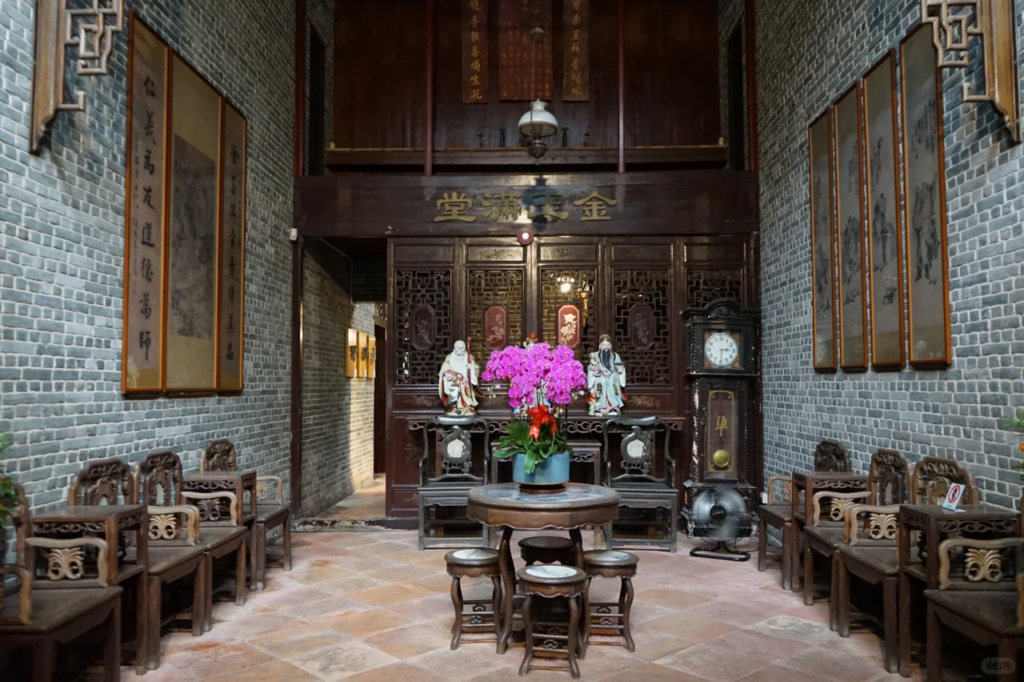
✅ Decoration: Interior decoration represents the pinnacle of traditional arts and crafts.Wood carvings, stone carvings, brick carvings, pottery sculptures and etched stained glass adorn doors, windows, screens and ceilings.Manchurian windows are inlaid with colorful glass; exquisite wood carvings feature smooth lines and vivid shapes; precious and elegant mahogany furniture highlights the owner’s taste, exuding a strong Lingnan flavor everywhere.

Must-See Attractions

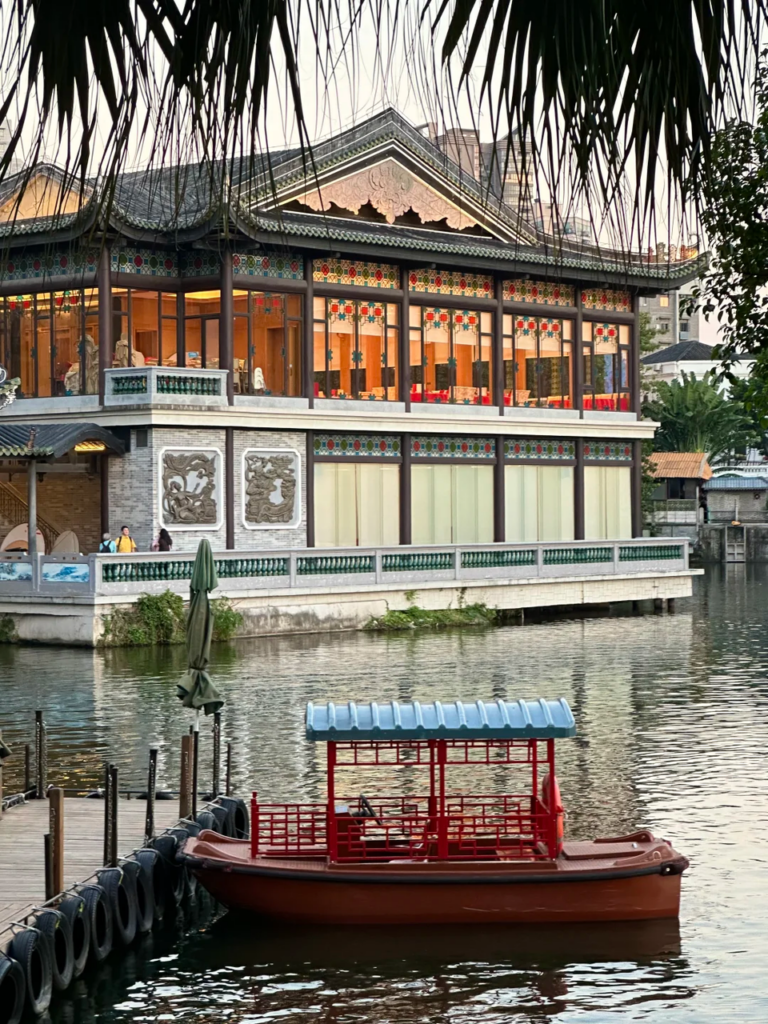
  • Xiaohuafang Studio: The only surviving garden-style Xiguan Mansion in Guangzhou, built in the late Qing Dynasty as the villa of the Wong family, overseas Chinese merchants from Singapore. Its iconic feature is the boat hall beside the Lychee Bay Stream; the stone plaque at the entrance has a history of more than 120 years.
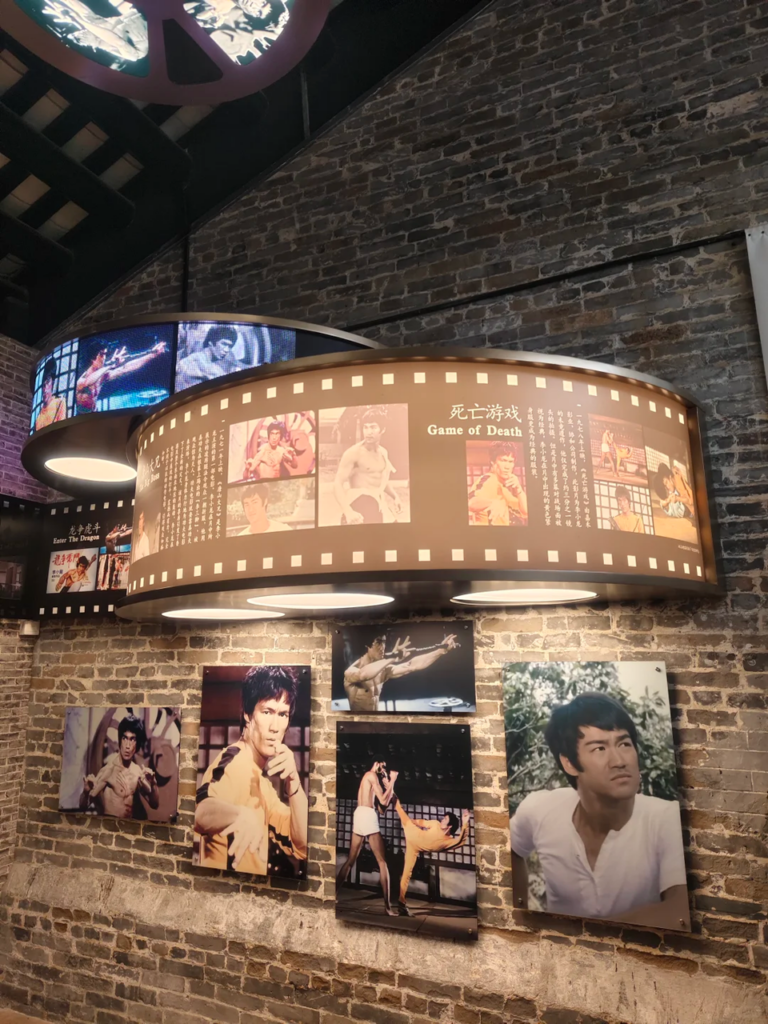
  • Ancestral Home of Bruce Lee: This Xiguan Mansion belonged to the father of the legendary kung fu star. Featuring blue brick walls and carved screens, it boasts a strong Lingnan architectural style. Inside, there are many exhibits chronicling Bruce Lee’s life, movie posters, a wooden dummy, and other kung fu-related displays, allowing visitors to experience the charm of the grand master up close.
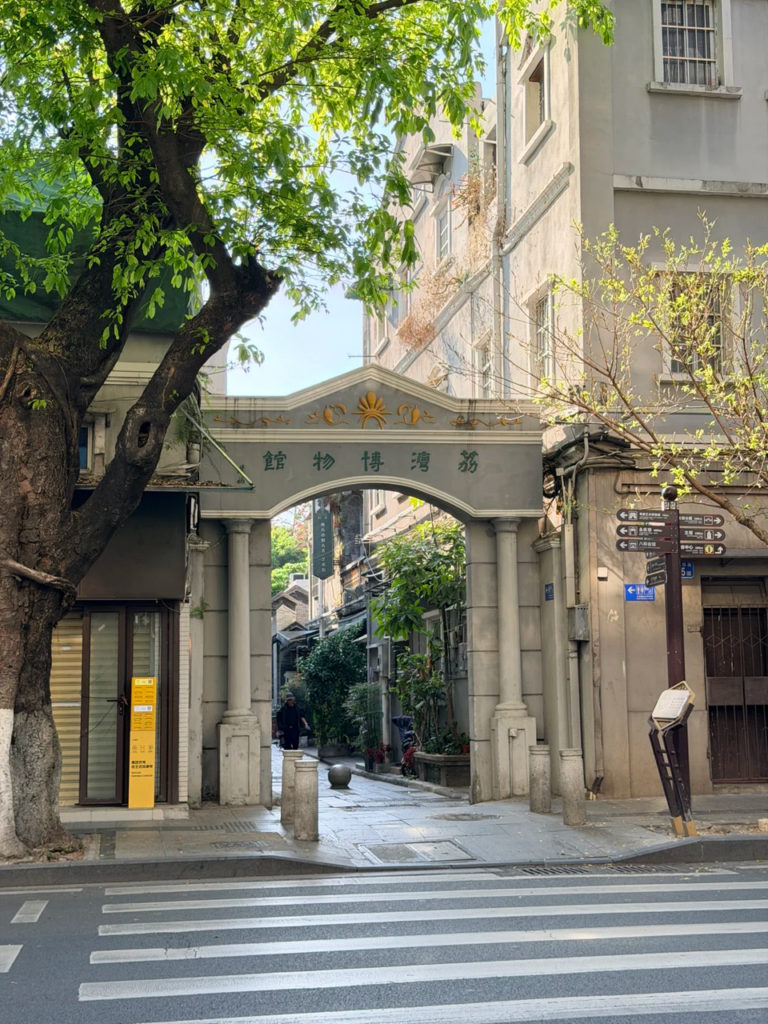
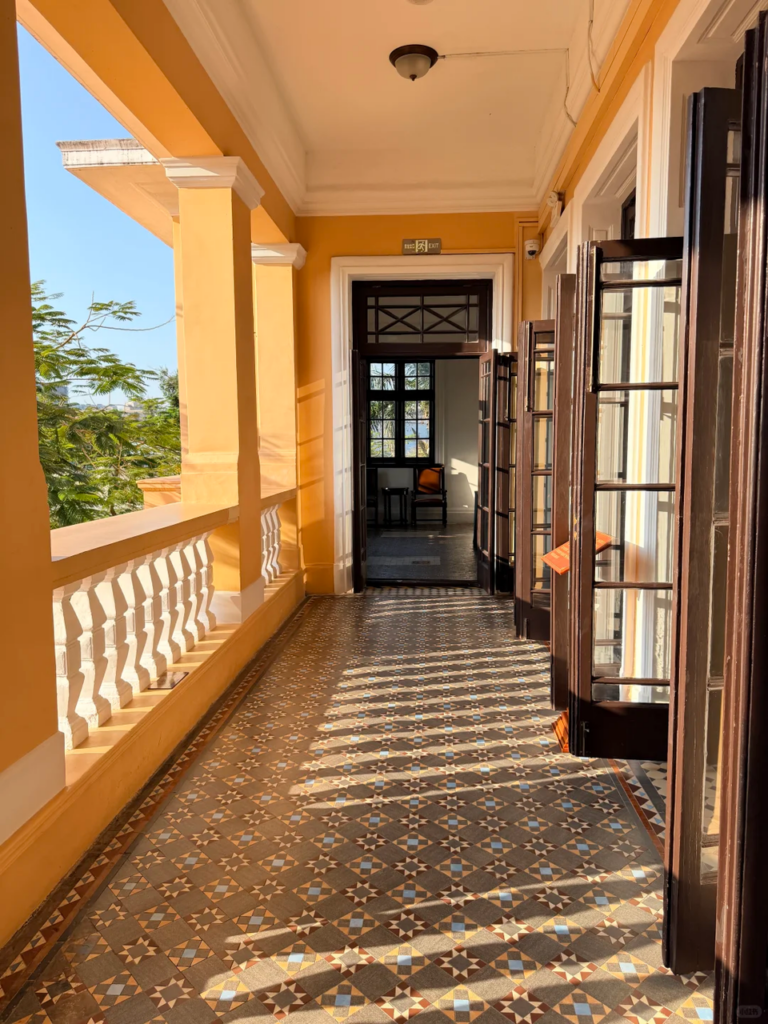
  • Liwan Museum: A treasure museum with 4 distinctive historical buildings. Visit the Xiguan Folk Museum to learn about Xiguan Mansions, and Chen Lianbo’s Residence to experience the retro Republican-era Western-style house, immersing yourself in traditional Guangzhou culture.
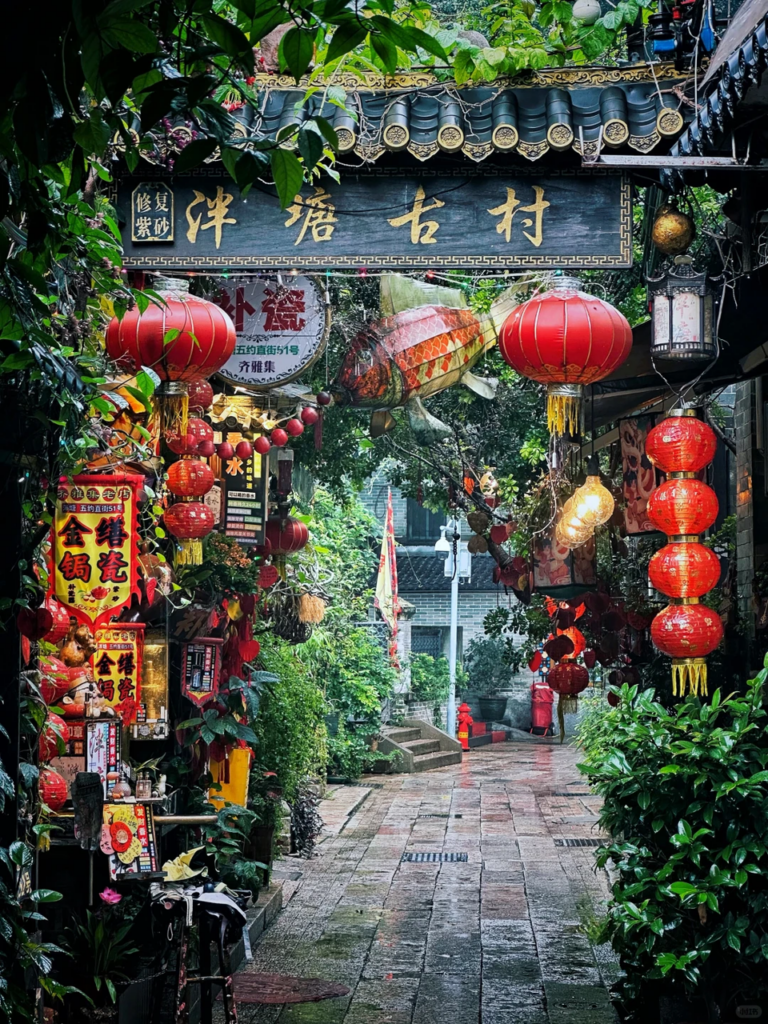
  • Pantang Wuyue: An ancient Xiguan village with over 900 years of history. After renovation, it now features artistic shops in bluestone alleys, where you can experience Xiguan folk life and local cultural innovation.

Must-Show Performance

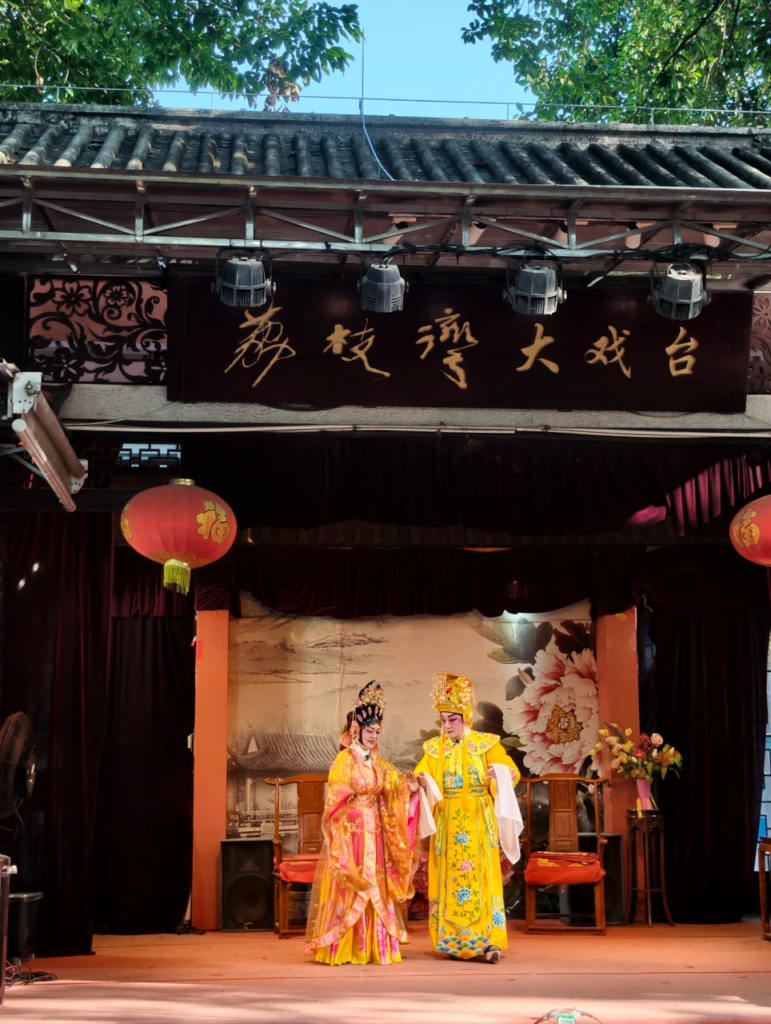
  • Liwan Grand Stage: Free Cantonese opera performances are held daily from 14:00–17:00, letting you listen to the voice of traditional Guangfu culture.

Must-Take Photo Spots

  • Liwan Lake: The lake shimmers like gold foil in sunlight. Take a boat ride and enjoy the reflection of traditional old houses on the water, as if in a painting.
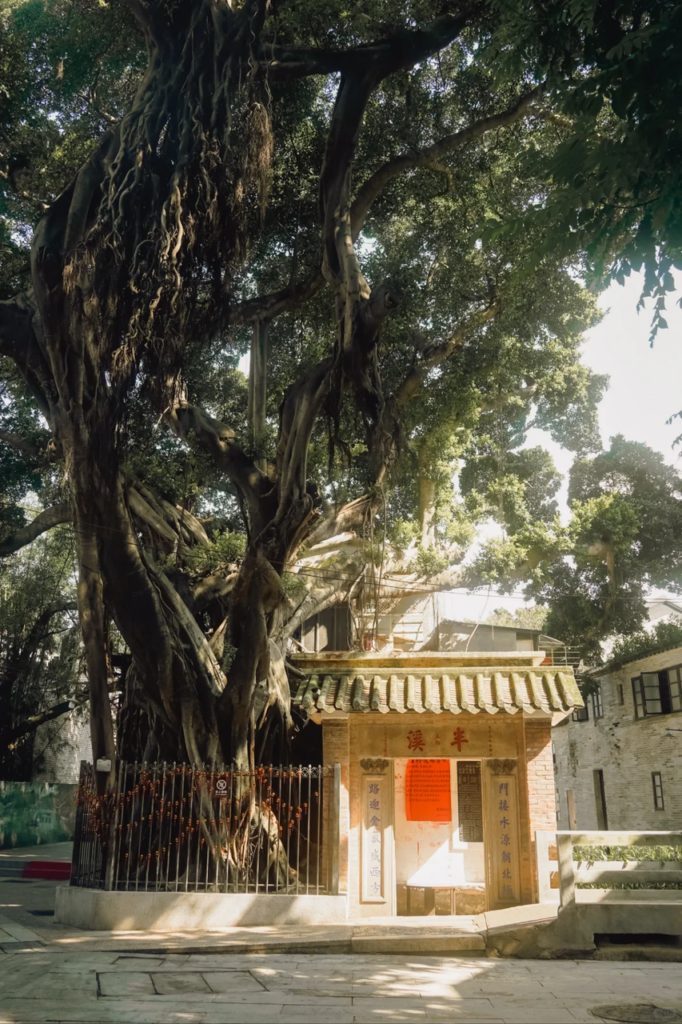
  • Antang Wuyue Pavilion: Located under the century-old banyan tree, Pantang Wuyue Pavilion is a landmark of the ancient village. Fish, meat and vegetable stalls line the streets, and tailor shops in century-old dwellings remain as they were. The authentic street life continues quietly here.
  • Renwei Ancestral Temple: A Taoist temple dating back to the Song Dynasty, whose elaborate beams and painted pillars showcase the exquisite craftsmanship of Lingnan art.
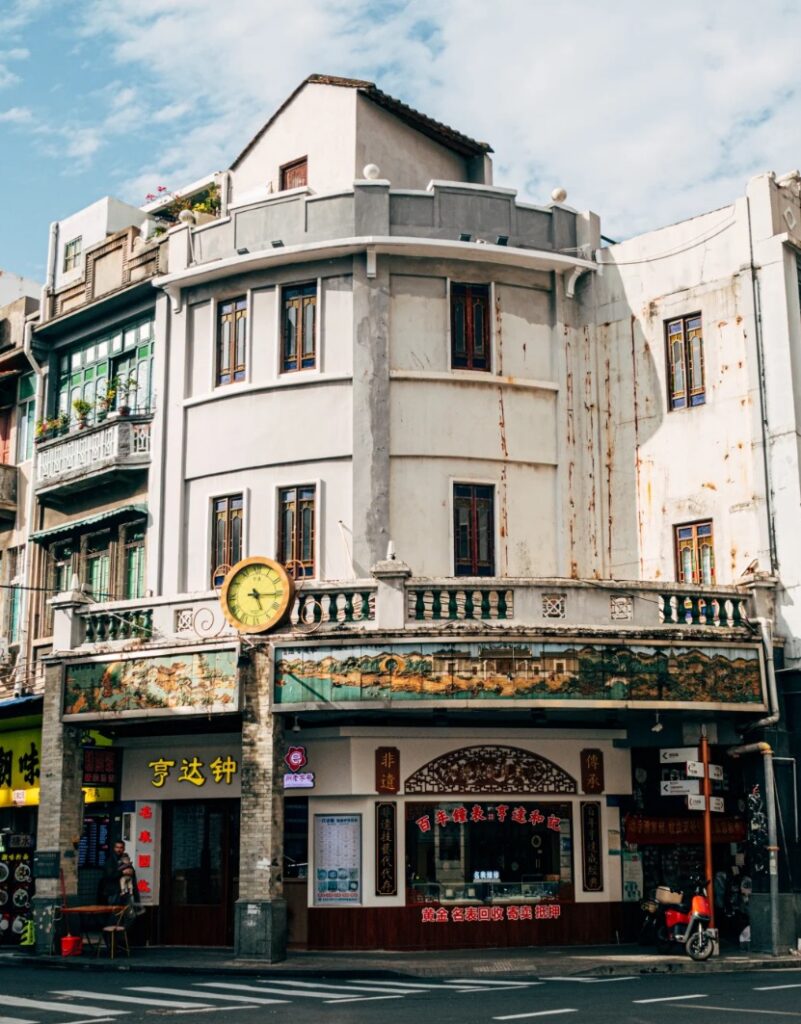
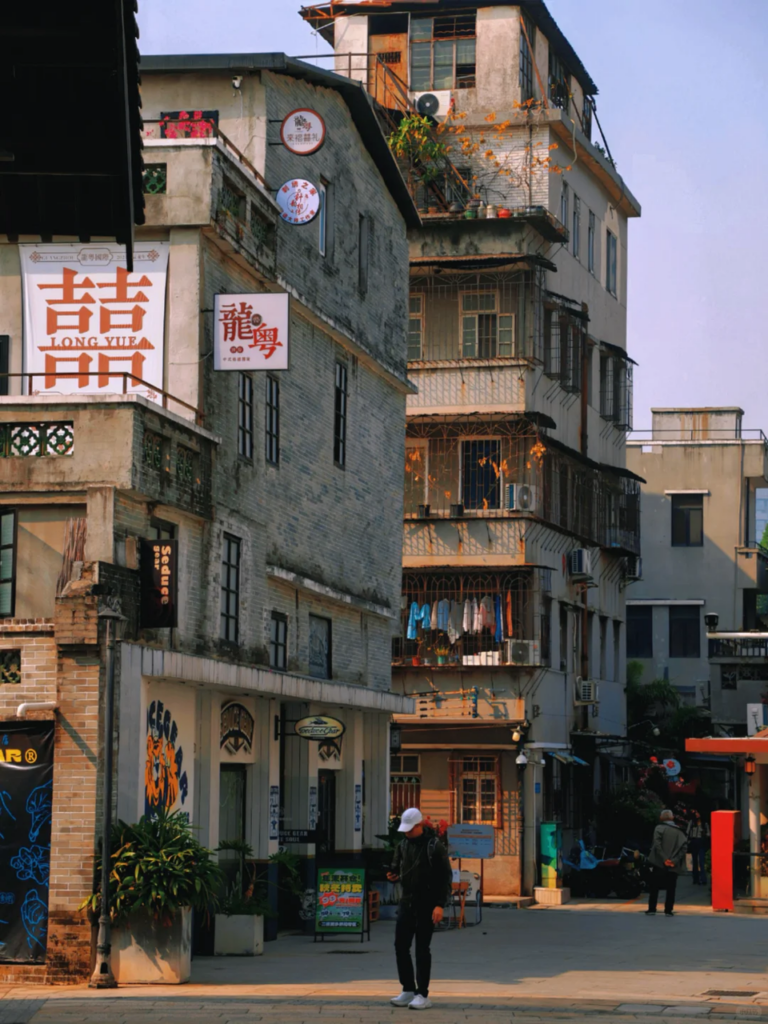
  • Retro Arcade Street Views: Well-preserved arcades and Republican-era buildings blending Chinese and Western styles. Wander the lanes to feel the authentic charm of old Guangzhou.

Practical Information

  • Liwan MuseumOpening hours: Tuesday–Sunday 9:00–17:30 (closed Mondays); last entry at 17:00Admission: ¥5 per person, available on-site
  • Ancestral Home of Bruce LeeOpening hours: Tuesday–Sunday 9:00–21:00 (closed Mondays)Admission: Free, no reservation neede